October 17, 2026
A roof protects your home from rain, wind, sunlight, and other weather conditions. Over time, exposure to the elements can wear down roofing materials and cause problems throughout the property. Some signs of damage are easy to spot, while others develop slowly and remain hidden until they worsen. Recognizing these warning signs early can help prevent costly damage. This article covers common signs that you may need roof repairs, including visible damage, water stains, missing shingles, and changes in indoor comfort.
Identifying Visible Damage
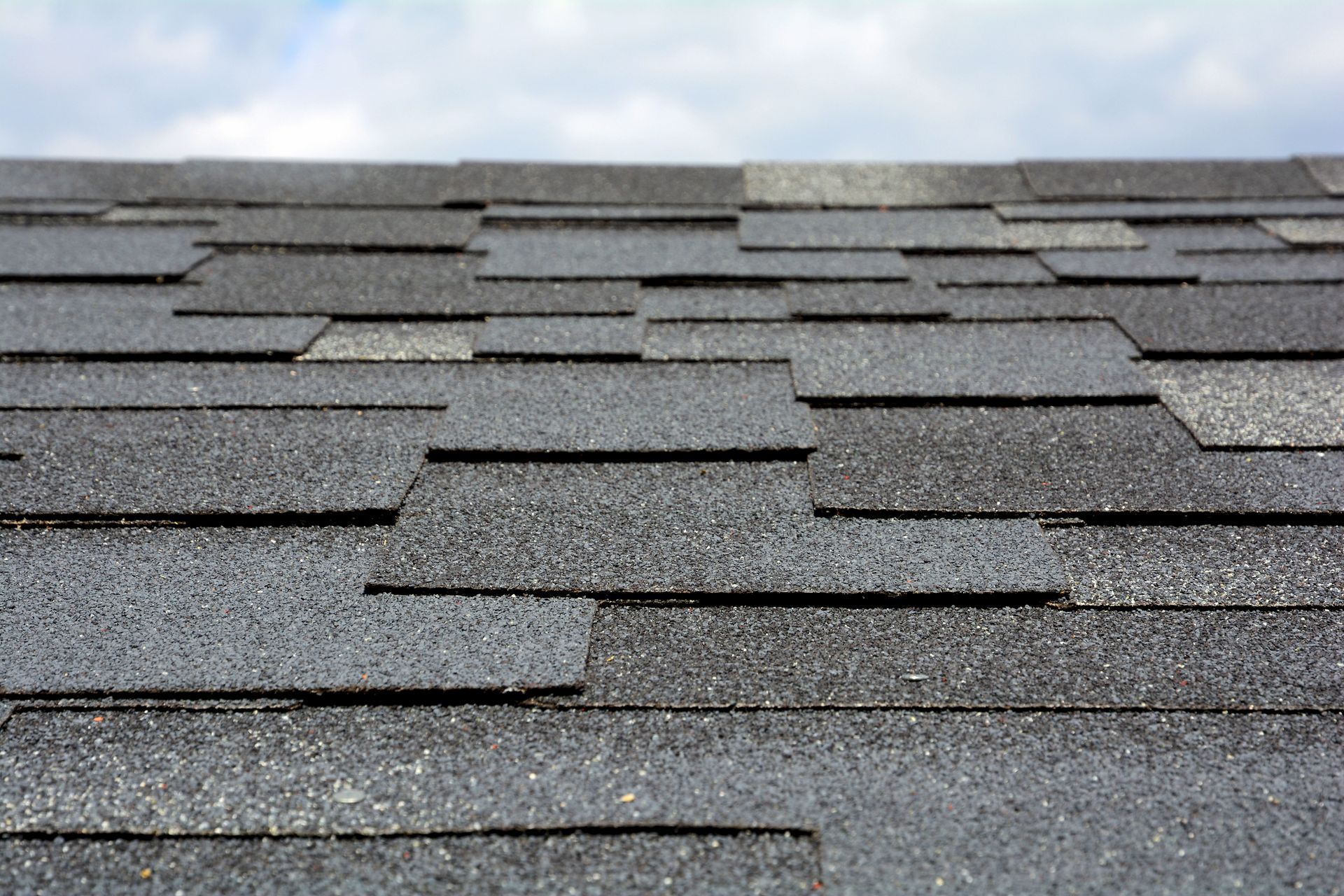
One of the clearest signs of roof trouble is visible damage to the roofing materials. Shingles may crack, curl, loosen, or develop bare spots as they age. These changes can reduce the roof's ability to keep water out and protect the underlying structure. Damaged areas may become more noticeable after storms or long periods of harsh weather. Some types of damage are easier to spot than others. A roof may have sections that look uneven, materials that appear worn, or areas where pieces are missing. These problems can allow rainwater to reach parts of the roof that should remain protected. Even when the damage seems limited, it is worth having the condition checked by a qualified roofing professional. Visible damage does not always mean the entire roof needs to be replaced. The right response depends on the location, extent, and cause of the problem. Seeking professional help can provide a clearer picture of what is happening and whether repairs are appropriate.
Recognizing Water Stains
Water stains on ceilings and walls can indicate that moisture is entering the home. These stains may appear as yellow, brown, or dark patches that grow over time. Some areas may also develop peeling paint, bubbling surfaces, or damaged drywall. While plumbing leaks and other moisture sources can cause similar symptoms, roof damage is one possible explanation. Water can enter through damaged roofing materials, loose flashing, or gaps around roof openings. Once inside, it may travel along structural components before becoming visible on an interior surface. This means the location of a stain does not always match the location of the roof problem. A small mark on a ceiling could point to damage in another part of the roof. It is important to take these signs seriously, even when the stain appears dry. Previous leaks may leave marks after the water stops entering, while other leaks may only occur during certain weather conditions. Professional inspection can help identify the source of the moisture and determine what steps are needed to address it.
Checking for Missing Materials
Missing shingles and other displaced roofing materials can leave parts of the roof exposed to the elements. Strong winds, heavy rain, and aging materials may contribute to this type of damage. When protective layers are no longer in place, water can reach the areas beneath them and gradually affect the roof structure. Missing materials may not always be obvious from the ground. Some sections of a roof are difficult to see, particularly when they are steep or partly blocked by nearby structures. Pieces of roofing material found around the property after a storm may also indicate that the roof has been affected. Prompt attention can help limit further damage. When protective materials are missing, rainwater may enter through exposed areas, especially during periods of heavy precipitation. Professional roof repairs can address damaged sections and help restore the roof's ability to protect the building. A roofing professional can also check nearby areas for related problems that may not be immediately visible.
Observing Sagging Areas
A roof should generally have a consistent shape that matches the design of the building. Sections that appear to dip, bow, or sag may indicate a problem with the roof structure or the materials supporting it. These changes can result from prolonged moisture exposure, weakened structural components, or other forms of deterioration. Sagging is a concern because the issue may extend beyond the visible roofing surface. Water damage can weaken wood and other structural materials over time, making parts of the roof less stable. Excess weight or long-term wear may also contribute to changes in the roof's shape. Any noticeable sagging should be assessed promptly by a qualified professional. Avoid assuming that the problem is limited to the exterior materials, as the underlying structure may also need attention. A thorough assessment can help determine the extent of the damage and identify an appropriate course of action. Addressing structural concerns early may help prevent the problem from spreading to other parts of the building.
Monitoring Leaks After Storms
Severe weather can put significant stress on a roof. Strong winds may loosen materials, heavy rain can expose weak points, and flying debris may damage the surface. Even a roof that appears to be in good condition can develop problems after a storm. New leaks, damp spots, or water in the attic may indicate damage. Some leaks appear during the storm, while others become noticeable hours or days later as water reaches ceilings and walls. Storm damage should be evaluated promptly, especially when water continues to enter the building. Professional roof repairs can address damaged areas and help prevent further water intrusion. Since storms may loosen materials without removing them completely, an inspection can also identify hidden problems before they worsen.
Noticing Higher Energy Bills
Unexpected changes in heating and cooling costs may be another sign that something is wrong with the roof or the surrounding building envelope. The roof plays a role in protecting the home from outdoor temperatures and weather. When gaps, damaged materials, or other weaknesses affect the building, indoor temperatures may become harder to maintain. For example, moisture damage and openings around roof components can affect the performance of the attic and nearby insulation. Warm air may escape during colder months, while outdoor heat can place additional demands on cooling systems during summer. These conditions may contribute to higher energy use, although several other factors can also affect utility bills. Property owners should look for patterns rather than assuming every increase in energy costs points to roof damage. Changes in weather, equipment performance, insulation, and daily energy use may also be responsible. A professional assessment can help determine whether the roof is contributing to the problem and whether repairs are necessary.
Examining Roof Age
Every roof experiences wear as it is exposed to sunlight, wind, rain, and changing temperatures. Over the years, roofing materials may lose some of their ability to resist moisture and withstand severe weather. Even a roof without obvious damage can develop weaknesses as it ages. The expected lifespan of a roof depends on several factors, including the materials used, the quality of the original installation, local weather conditions, and the level of maintenance it receives. A roof exposed to frequent storms or intense sunlight may experience different wear patterns from one in a milder climate. Age alone does not confirm that a roof needs repairs, but it can help indicate when a closer assessment is appropriate. Regular inspections can help identify wear before it leads to leaks or structural problems. Roofing professionals can evaluate the condition of the materials, look for signs of deterioration, and explain whether repairs may extend the roof's useful life. If the damage is widespread, they can also discuss whether more extensive work may be necessary.
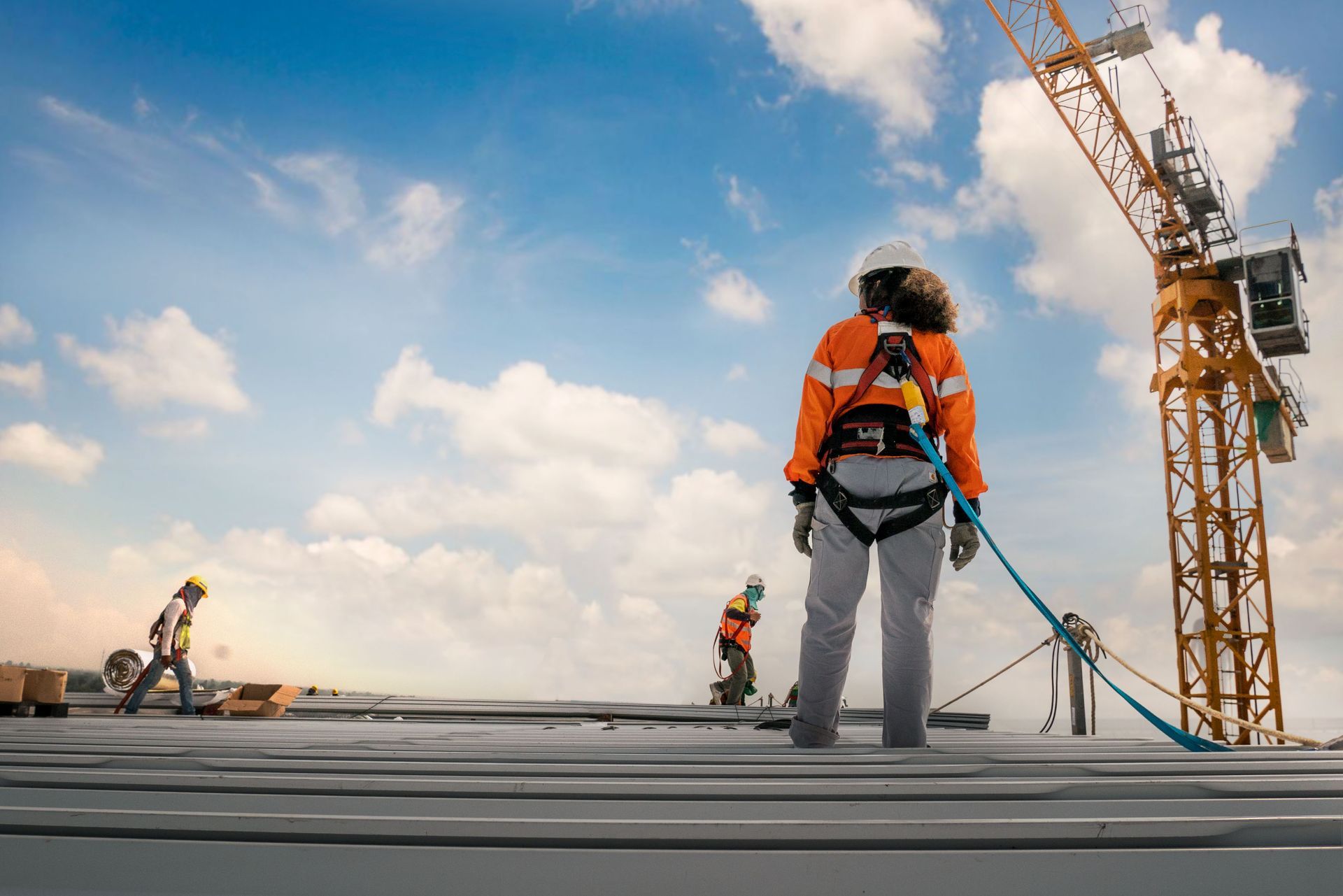
Roofing work requires knowledge of building materials and safe practices. Finding a problem's source can be difficult, especially when water travels through multiple layers. According to the United States Bureau of Labor Statistics, about 167,000 individuals were employed as roofers in 2025. These professionals address damage caused by aging, severe weather, and general wear. Seeking professional help can identify damage and limit further problems. Regular inspections can reveal cracked materials, missing shingles, leaks, and structural changes. If you notice roof damage, contact Roughneck Roofing to discuss your roof repairs and schedule an assessment.