April 17, 2026
The roofing industry continues to evolve as materials improve, building codes change, and customer expectations rise. Today’s contractors must do more than install shingles or repair leaks. They must understand safety standards, insurance procedures, local regulations, and customer communication strategies. With increased competition and more informed homeowners, roofing companies that stay educated and adaptable are the ones that build lasting reputations and steady growth.
Whether operating in a residential neighborhood or handling large commercial properties, contractors face both technical and business challenges. From project planning to final inspection, every stage requires careful attention. Understanding what truly matters in this industry can help businesses protect their clients, strengthen their operations, and position themselves for long-term success.
Economic shifts, weather patterns, and evolving construction trends also influence daily operations. Severe storms, rising material costs, and labor shortages can quickly affect scheduling and profitability. Contractors who anticipate these variables and build flexible systems are better prepared to respond effectively. Strategic planning, strong supplier relationships, and clear contingency processes can make the difference between smooth operations and costly disruptions. In addition, digital marketing, online reputation management, and community involvement now play meaningful roles in attracting new business. Companies that monitor performance metrics, analyze project outcomes, and continuously refine their processes create a foundation for steady improvement. By combining craftsmanship with smart business practices, contractors can remain competitive while delivering consistent value to property owners.
Understanding Industry Standards and Regulations
Building codes and manufacturer guidelines form the foundation of every roofing project. Contractors must stay updated on local regulations, permit requirements, and inspection protocols. Even small code violations can lead to failed inspections, costly corrections, and potential liability issues. Keeping current with municipal updates and product specifications helps prevent setbacks and supports quality workmanship.
Beyond local codes, roofing companies must also follow manufacturer installation standards to maintain product warranties. Improper fastening patterns, ventilation errors, or underlayment shortcuts can void warranties and expose both the contractor and the homeowner to unnecessary risk. Staying informed and training crews regularly helps maintain compliance and credibility. Companies should also document their processes and retain inspection records to protect themselves if disputes arise later.
Regular participation in industry associations and continuing education programs can further strengthen compliance efforts. Attending workshops, certification courses, and trade events allows contractors to stay informed about regulatory changes and product innovations. Clear internal checklists and standardized installation procedures also reduce the likelihood of oversight on busy job sites. When crews understand both the technical requirements and the reasoning behind them, they are more likely to perform work that meets code, satisfies warranty conditions, and protects the integrity of each completed roof.
Prioritizing Safety and Risk Management
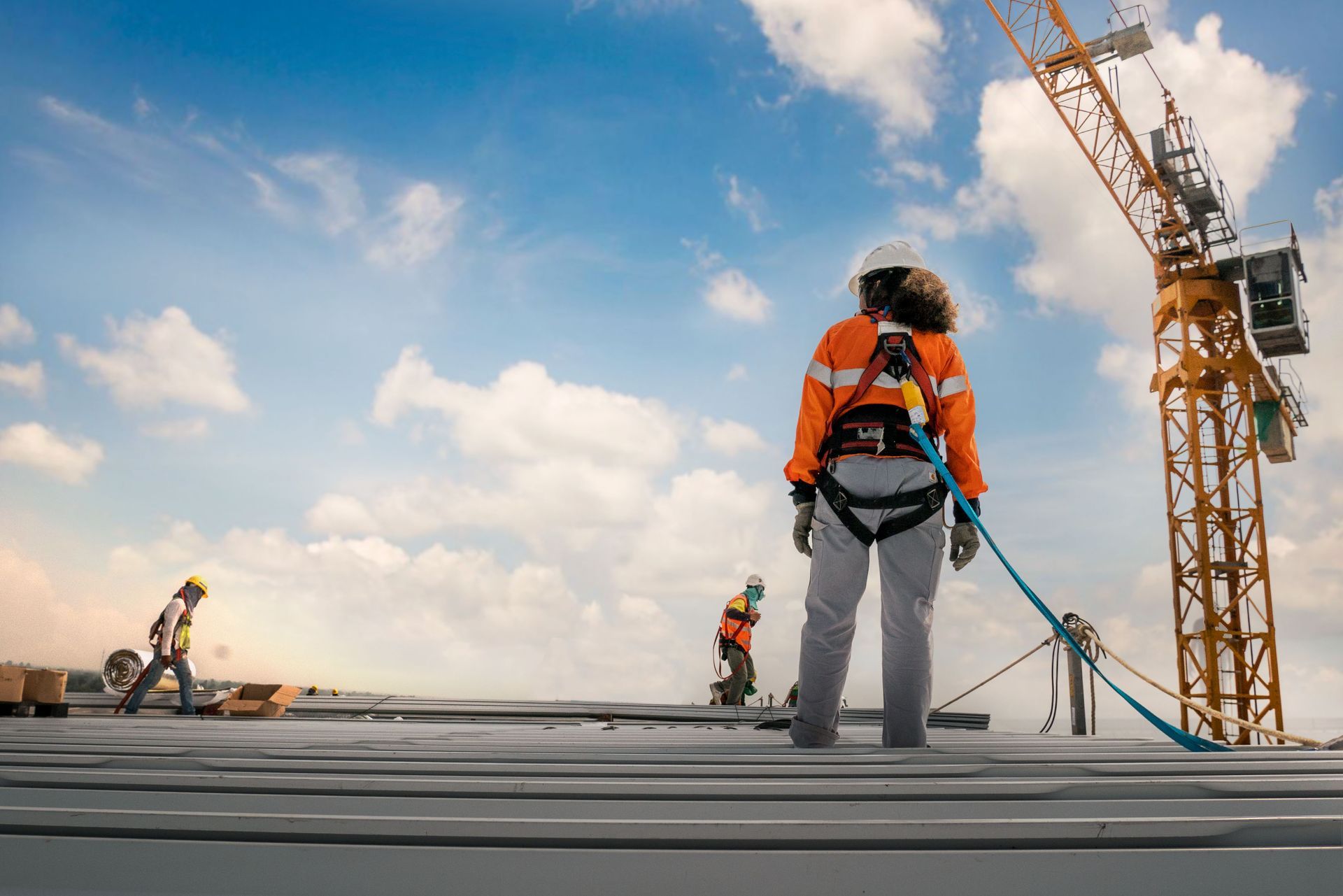
Roofing remains one of the most physically demanding and high-risk trades in construction. Fall protection systems, ladder safety, and proper harness use are essential on every project. Comprehensive safety training and routine equipment inspections help reduce accidents and downtime. A strong safety culture protects workers and builds trust with customers.
Insurance coverage and risk assessment also play critical roles. General liability insurance, workers’ compensation, and proper documentation protect businesses from unexpected claims. Roofing companies that proactively address safety concerns demonstrate professionalism and reduce exposure to financial setbacks. Regular job site audits and written safety policies further strengthen accountability and reinforce safe practices among crew members.
Delivering Clear Communication and Transparency
Homeowners often feel uncertain when facing roofing repairs or replacements. Clear communication can significantly improve the customer experience. Providing detailed estimates, outlining project timelines, and explaining material options builds confidence. Clients appreciate understanding what they are paying for and why specific recommendations are made.
Transparency also extends to addressing unexpected issues. Hidden water damage, structural concerns, or decking replacement may arise once a project begins. Roofing companies that communicate promptly and document findings with photos and explanations strengthen client relationships and reduce misunderstandings. Establishing realistic expectations from the start helps prevent frustration and encourages smoother project completion.
Managing Materials and Supply Chains Effectively
Material availability and pricing fluctuations can affect scheduling and profitability. Contractors must plan carefully and maintain reliable supplier relationships. Ordering materials early, confirming delivery timelines, and tracking inventory help prevent costly delays. Contingency planning for weather disruptions or supply shortages can also keep projects moving forward.
Quality control is equally important. Using high-quality shingles, flashing, underlayment, and ventilation components directly impacts a roof’s performance and lifespan. Roofing companies that prioritize durable materials and proper storage practices reduce callbacks and enhance customer satisfaction. Storing materials in dry, protected areas prevents premature damage and ensures products perform as intended once installed.
Investing in Ongoing Training and Technology
The roofing industry continues to adopt new tools and technologies. Drone inspections, moisture detection devices, and project management software allow for more accurate assessments and improved workflow. Embracing these advancements can streamline operations and improve overall efficiency.
Training programs also ensure crews remain skilled in evolving installation methods. As new roofing systems enter the market, ongoing education helps contractors maintain quality standards. Roofing companies that invest in training position themselves to handle diverse projects with confidence and competence. Certification programs from manufacturers can also strengthen credibility and create opportunities for extended warranty offerings.
Building Trust Through Reputation and Reviews
Reputation often determines long-term success. Online reviews, referrals, and word-of-mouth recommendations influence customer decisions more than ever. According to This Old House, for over the past three years, nearly 31% of homeowners nationwide have pursued roof renovation, repair, or maintenance projects. With so many homeowners seeking roofing services, standing out through consistent quality and service matters greatly.
Maintaining a professional online presence, responding to customer feedback, and showcasing completed projects help reinforce credibility. Roofing companies that consistently deliver reliable workmanship and respectful service earn repeat business and referrals that fuel growth. Encouraging satisfied customers to leave honest reviews can strengthen visibility and trust within the community.
Maintaining Financial Discipline and Operational Efficiency
Strong financial management supports sustainable growth. Accurate job costing, careful budgeting, and clear invoicing prevent profit loss. Tracking labor hours, material costs, and overhead expenses allows contractors to identify opportunities for improvement.
Operational efficiency also contributes to profitability. Organized scheduling, clear crew assignments, and structured workflows reduce wasted time. Roofing companies that refine their internal systems often experience smoother projects and stronger margins. Implementing standardized checklists and digital tracking tools can help maintain consistency across multiple crews and job sites.
Adapting to Market Trends and Customer Expectations
Customer preferences continue to shift toward energy efficiency, sustainability, and long-term durability. Contractors must stay aware of new materials, cool roofing systems, and ventilation improvements that enhance performance. Educating customers about available options helps them make informed decisions that match their goals and budgets.
Companies that remain adaptable to evolving market demands are better positioned to compete. Offering flexible financing options, clear warranty information, and maintenance plans can provide added value. As homeowners increasingly research contractors online before making decisions, businesses that combine technical expertise with responsive service stand out in a crowded market.
The roofing industry demands both technical expertise and business awareness. From understanding regulations and prioritizing safety to managing materials, embracing technology, and building customer trust, contractors must balance multiple responsibilities. Companies that commit to continuous improvement, transparency, and disciplined operations are better positioned to thrive in a competitive marketplace.
If you are looking for dependable roofing solutions delivered with professionalism and attention to detail, contact Roughneck Roofing today to learn how their experienced team stands out among roofing companies and can support your next project.