February 27, 2026
Selecting the right roof is about more than covering a structure. It is about protecting your investment, enhancing curb appeal, and ensuring long-term performance in your specific climate. Homeowners often turn to roofing companies for guidance, trusting their experience with materials, installation techniques, and regional demands. By examining the roof styles most frequently recommended and installed, it becomes easier to understand why certain designs consistently stand out in residential construction. Beyond aesthetics, the right roofing system can influence resale value, insurance considerations, and overall property efficiency. Careful planning and professional insight help ensure that the final selection aligns with both immediate needs and long-term goals.
Embracing the Simplicity of Gable Roofs
Gable roofs remain one of the most recognizable and widely installed residential roof styles in the United States. Roofing companies often recommend them for their straightforward construction and efficient water-shedding design. Defined by two sloping sides that meet at a ridge, gable roofs create a classic triangular silhouette that complements a wide range of architectural styles. Their clean lines make them especially appealing for homeowners who prefer a timeless, symmetrical look that blends easily into traditional neighborhoods.
One reason roofing companies continue installing gable roofs is their affordability. The uncomplicated framing process typically requires fewer materials and less labor compared to more complex designs. This efficiency can make them appealing for both new builds and roof replacements. Their steep pitch also promotes excellent drainage, which is especially valuable in regions with heavy rainfall or snowfall. Improved attic ventilation is another advantage, as the design allows heat and moisture to escape more effectively when paired with proper venting systems.
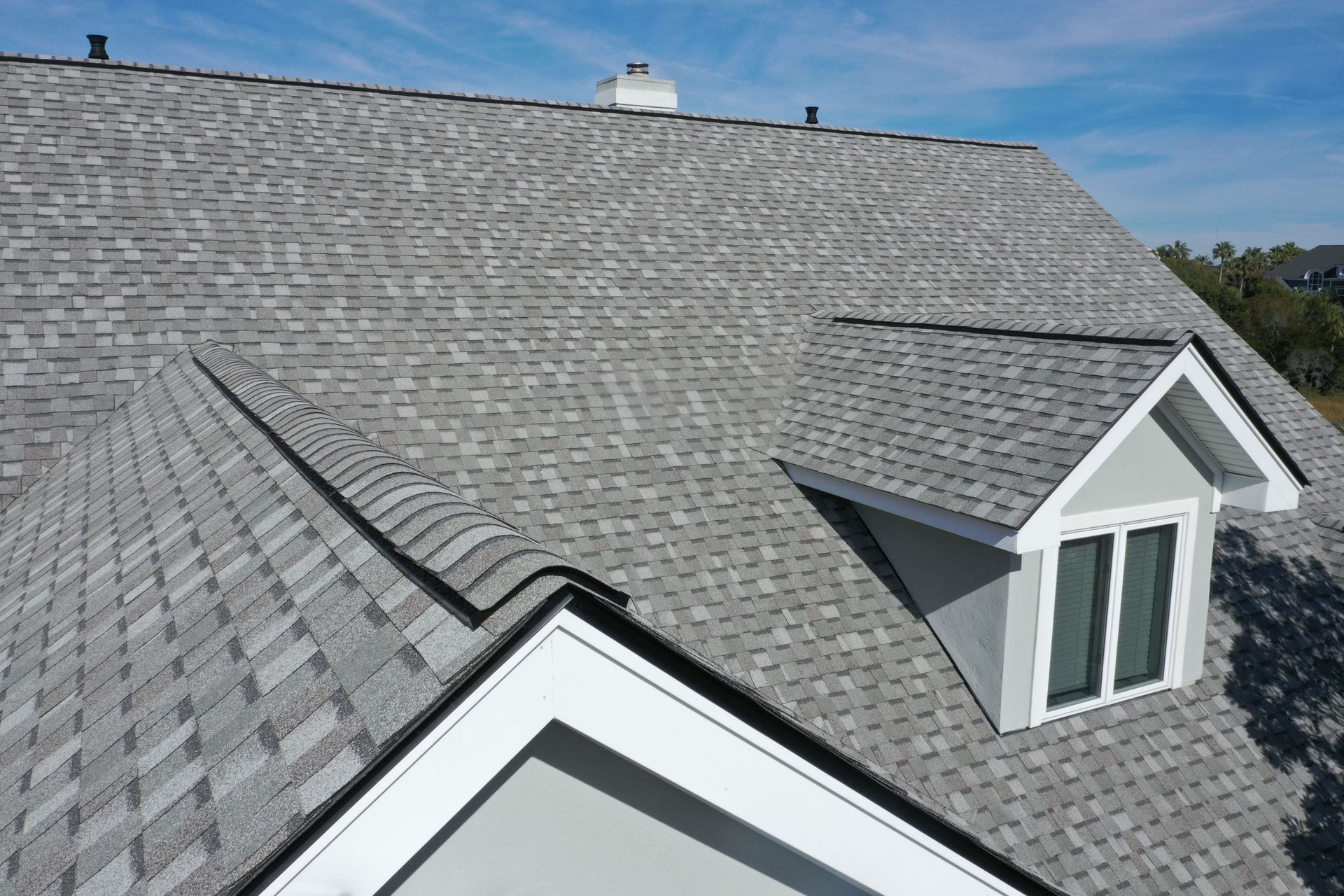
Material compatibility further increases their popularity. Asphalt shingles are commonly installed on gable roofs because they are lightweight, cost-effective, and adaptable to various slopes. According to the Roofers Guild, 90% of U.S. asphalt roofs sold are fiberglass shingles. This widespread use reinforces why roofing companies frequently pair gable designs with fiberglass-based asphalt products for dependable performance. Homeowners also appreciate the broad color selections available, which allow them to coordinate roofing with siding, trim, and landscaping features.
While gable roofs perform well in many climates, experienced roofing companies also note their vulnerability in areas with extreme wind conditions. Reinforcements and proper fastening systems can help address this concern. With thoughtful installation and quality materials, gable roofs continue delivering the balance of function, affordability, and visual appeal that homeowners seek. When installed with precision, they offer reliable protection that can last for decades.
Maximizing Stability with Hip Roofs
Choosing a roof style that offers enhanced structural integrity is a priority in storm-prone areas. Hip roofs, characterized by slopes on all four sides that converge at the top, are frequently recommended by roofing companies for their durability and wind resistance. Their symmetrical design distributes weight evenly, helping them withstand challenging weather conditions. This structural consistency often results in a solid, grounded appearance that adds to a home's overall architectural presence.
Roofing companies often highlight the aerodynamic advantages of hip roofs. Because every side slopes downward, wind is less likely to catch flat vertical ends, reducing the risk of uplift damage. This makes them particularly suitable for coastal regions or locations where strong storms are common. In addition to wind resistance, their sloping planes promote steady water runoff, limiting pooling and potential leaks. This reliable drainage contributes to reduced long-term wear on underlayment and decking materials.
Beyond durability, hip roofs provide a refined and cohesive appearance. Many roofing companies appreciate how well this style integrates with covered porches, extensions, and dormers without disrupting structural harmony. Though installation may involve more materials and labor than simpler designs, homeowners often view the long-term resilience as a worthwhile investment. The added stability can provide peace of mind during severe weather seasons.
With proper ventilation and insulation, hip roofs can also contribute to energy efficiency. By combining structural strength, aesthetic symmetry, and reliable weather performance, this roof type remains a leading recommendation among roofing companies serving diverse climates. Their ability to balance beauty and performance keeps them in high demand.
Highlighting Versatility with Asphalt Shingle Roofs
Focusing on material choices, asphalt shingles consistently top the list of recommendations from roofing companies across the country. Their versatility, availability, and proven track record make them one of the most common roofing solutions for residential properties. Homeowners value the wide selection of colors and textures that allow customization without sacrificing performance. Architectural shingle options can even add depth and dimension to a roofline.
Roofing companies frequently install asphalt shingles because they are compatible with many roof shapes, including gable and hip designs. Their layered construction provides effective moisture protection while remaining lightweight enough to avoid placing excessive stress on the home's framing. Fiberglass-based shingles, in particular, offer enhanced fire resistance and durability. Many products also include algae-resistant coatings, helping maintain curb appeal over time.
Installation efficiency is another reason roofing companies rely on asphalt products. Crews can complete projects in a relatively streamlined manner, reducing labor time while maintaining quality standards. Maintenance is also manageable, as individual shingles can be replaced if damaged without removing entire roof sections. This convenience makes repairs less disruptive for homeowners.
For homeowners seeking a dependable and budget-conscious option, asphalt shingles remain a practical solution. Their combination of accessibility, performance, and design flexibility continues to reinforce their position as a leading material choice recommended by roofing companies nationwide. Their widespread use speaks to their consistent reliability.
Enhancing Longevity with Metal Roofing
Investing in long-term durability often leads homeowners to consider metal roofing systems. Roofing companies increasingly install metal panels and standing seam systems for clients who prioritize lifespan and minimal maintenance. Known for their resilience, metal roofs can withstand heavy rain, hail, and significant temperature fluctuations. Many systems are engineered to resist corrosion and fading, even after years of sun exposure.
Roofing companies point out that metal roofing reflects solar heat, which can contribute to improved energy efficiency in warmer climates. This reflective quality may help reduce cooling demands during hot seasons. Additionally, metal panels are resistant to cracking, shrinking, and erosion, which supports long-term structural integrity. Their interlocking designs further enhance protection against wind-driven rain.
Design flexibility further enhances metal roofing's appeal. Available in various finishes and profiles, metal can complement both contemporary and traditional homes. Some systems even mimic the appearance of tile or shingle products while delivering superior durability. Roofing companies often emphasize that proper installation is critical to ensure watertight seams and secure fastening. Attention to detail during installation helps maximize the lifespan of the system.
Although the initial investment may be higher than some alternatives, many homeowners appreciate the extended service life and reduced maintenance needs. By combining strength, sustainability, and visual adaptability, metal roofing continues to gain traction among roofing companies focused on long-term value. Its reputation for endurance makes it an increasingly popular upgrade.
Elevating Curb Appeal with Tile and Specialty Roofs
Creating a distinctive architectural statement frequently involves selecting tile or specialty roofing materials. Clay and concrete tiles are popular in regions influenced by Mediterranean and Southwestern design. Roofing companies often recommend these materials for homeowners seeking durability paired with a bold aesthetic. Their textured appearance adds depth and character that stands out in residential neighborhoods.
Tile roofs offer impressive longevity and natural resistance to fire and insects. Roofing companies value their ability to perform well in hot climates, where their thermal properties help regulate indoor temperatures. While heavier than many other materials, proper structural support ensures reliable installation and long-term performance. When correctly installed, tile systems can last for decades with routine maintenance.
Specialty options may also include synthetic slate or architectural composite products designed to replicate high-end materials at a reduced weight. Roofing companies help homeowners evaluate whether these alternatives align with structural requirements and budget considerations. By carefully matching material choice to climate and architectural style, professionals ensure the finished result supports both beauty and functionality.
Each roof type discussed demonstrates why homeowners consistently consult roofing companies when planning a new installation or replacement. From the simplicity of gable designs to the resilience of hip structures and the durability of metal and tile systems, every option offers distinct advantages. For more information about the services that we offer, reach out to our incredible team at Roughneck Roofing today!