March 2, 2026
Choosing the right roofing material is crucial for ensuring the durability and longevity of your home or building's roof. With an array of materials available, it's essential to consult a local roofing contractor who understands your region's climate challenges. Here, we'll explore the various roofing materials and their longevity, helping you make an informed decision.
1. Asphalt Shingles: The Popular Choice
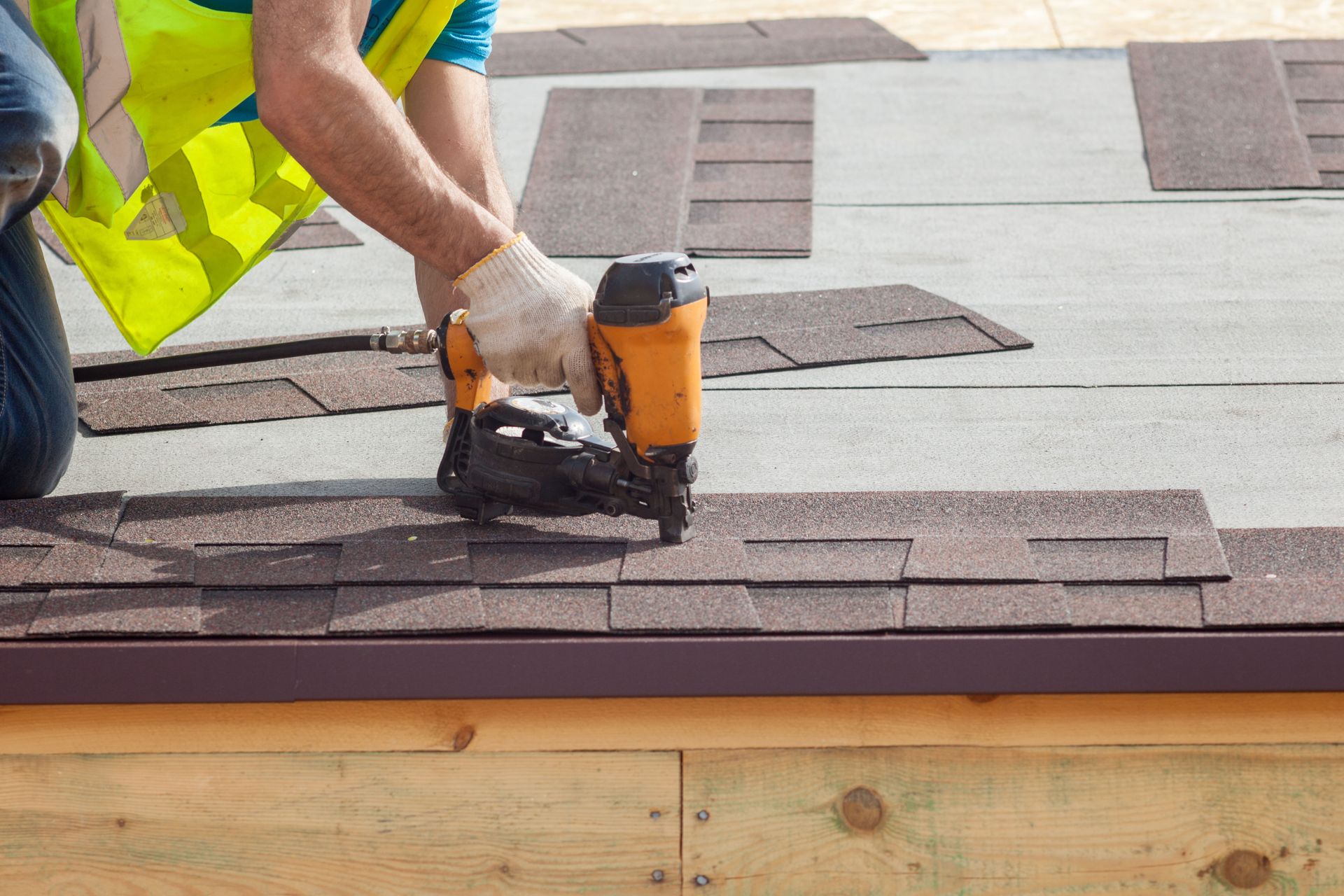
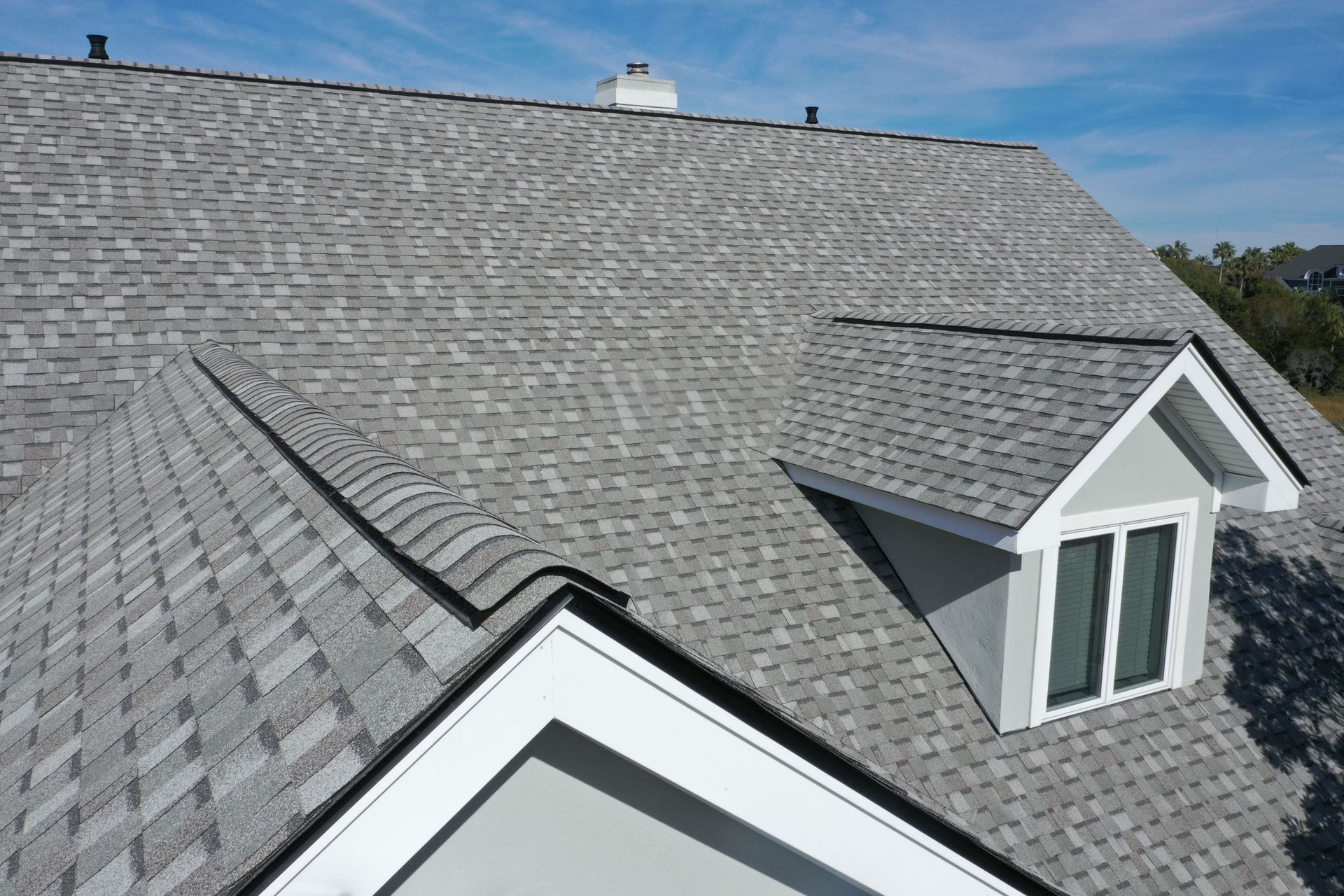
Asphalt shingles are among the most popular roofing materials in North America. They are chosen for their versatility, affordability, and easy installation. Available in a wide range of colors and styles, asphalt shingles can complement various architectural designs. Typically made from a fiberglass or organic mat coated with asphalt and mineral granules, they provide adequate water resistance. Despite their widespread use, it's important to understand how they fare in different environmental conditions.
One of the key advantages of asphalt shingles is their cost-effectiveness. They offer a relatively low upfront cost compared to many other roofing materials. Asphalt shingles are also lightweight, making them suitable for most types of structures without the need for additional structural support. Another advantage is their ease of installation, which can lead to lower labor costs. Furthermore, these shingles have a good resistance to fire, making them a safe option for many homeowners.
While asphalt shingles are not the longest-lasting option, they generally offer a reasonable lifespan of 20 to 30 years. Their durability can be affected by climate, with extreme weather conditions potentially reducing their longevity. In regions with severe weather, enhanced or architectural shingles, which are thicker, may provide better durability. Proper installation and ventilation can also contribute to extending their lifespan. Regular maintenance and inspections are recommended to identify and address issues early.
2. Metal Roofing: A Durable Alternative
Metal roofing has gained popularity due to its durability and modern appeal. Common metal roofing materials include steel, aluminum, copper, and zinc. Steel roofing is particularly noted for its strength and longevity, often lasting for 30–50 years or more, according to This Old House. Different metals offer distinct benefits, such as the lightweight nature of aluminum or the patina development in copper over time. Choosing the right type depends on budget, aesthetic preference, and specific environmental concerns.
The longevity of metal roofing makes it a compelling choice for long-term considerations. While the initial cost may be higher, the lifespan of metal roofing can offset this over time. Its resilience against harsh weather conditions, including high winds and heavy snowfall, contributes to its extended life. Additionally, metal roofing is highly resistant to fire, insects, and rot, making it a low-maintenance option. Proper installation is crucial to avoid common issues like water infiltration beneath panels.
Metal roofing offers several environmental advantages, especially in comparison to other materials like asphalt shingles. Many metal roofs are made from recycled content and are fully recyclable at the end of their life, reducing landfill waste. Metal roofs also help improve energy efficiency by reflecting solar radiant heat, minimizing the cooling load on homes. This can lead to noticeable savings in energy costs, making them an eco-friendly choice. Selecting Energy Star-certified metal can further enhance these benefits.
3. Clay and Concrete Tiles: Timeless and Resilient
Clay and concrete tiles are known for their timeless beauty and exceptional durability. These materials have been used for centuries, gracing structures around the world with their distinct appearance. Clay tiles are typically made from earthy clay molds, while concrete tiles are manufactured from a mixture of sand, cement, and water. Both types offer substantial strength and resistance to severe weather. Choosing between them often depends on weight, cost, and aesthetic preference.
Tile roofing is celebrated for its durability and resilience in facing extreme weather conditions. Properly installed clay and concrete tiles can withstand high winds, hail, and even fire—qualities that make them suitable for areas with harsh climates. They are also resistant to insect damage and rot, contributing to their longevity. However, because they are heavy, structural support considerations must be made before installation. With professional installation, tile roofs can last 50 years or more, promising long-term peace of mind for homeowners.
The aesthetic appeal of clay and concrete tiles is undeniable, offering a blend of tradition and elegance. Available in a variety of colors, shapes, and finishes, they can complement different architectural styles, from Mediterranean to modern. Clay tiles especially highlight natural earth tones, while concrete tiles can mimic the appearance of slate, wood, or stone. Over time, clay tiles develop a patina that adds character to a home’s exterior. Homeowners often choose tile roofing to boost curb appeal and ultimately increase property value.
4. Slate Roofing: The Pinnacle of Longevity
Slate has long been revered as one of the most superior roofing materials available. Quarried from natural stone, slate is distinguished by its fine-grained texture and rich, varied colors. Its history dates back centuries, with many historic buildings exhibiting slate roofs that have stood the test of time. The stone's natural properties confer immense durability, resistance to environmental factors, and a distinctive appearance. Understanding these characteristics highlights why slate is a go-to choice for those seeking lasting beauty and function.
Slate roofs are famously long-lasting, with lifespans that can exceed a century or more, often outliving generations of occupants. This durability results from slate's inherent properties, making it exceptionally resistant to fire, water, and extreme weather conditions. Unlike synthetic materials, slate does not suffer from wear and tear, cracking, or fading. However, achieving this longevity requires professional installation to manage weight, correct sealing, and structural support. Slate’s endurance justifies its reputation as a prime roofing choice for long-term investment.
The investment in a slate roof is substantial, considering both material and skilled labor costs. The quarrying, shipping, and intricate nature of installation contribute to its premium pricing. However, the upfront cost is often balanced against negligible maintenance expenses and the roof's unmatched lifespan. Despite the high initial expense, owning a slate roof can enhance property value due to its beauty and durability. Homeowners needing longevity and low lifetime costs frequently find slate a worthwhile investment despite its price.
5. Wood Shingles and Shakes: Natural Beauty
Wood shingles and shakes lend a natural, warm appearance to homes, typically crafted from cedar, redwood, or pine. Cedar is favored for its rot resistance and dimensional stability, appealing for its aesthetic and practical properties. Pine wood shakes often require additional treatments to improve resistance to decay and pests. Redwood shingles, known for their rich hues, provide an attractive alternative for premium looks. Each wood type offers unique benefits, contributing to their widespread use in residential roofing.
The longevity of wood shingles and shakes primarily depends on climate and maintenance. In damp or humid conditions, untreated wood is susceptible to decay and algae, often necessitating protective treatments. Conversely, in dry, moderate climates, wood roofing can last up to several decades. Routine care, including clearing debris and treating for insects or mold, will enhance durability. As such, wood roofing’s suitability may vary, making region-specific considerations crucial to its success.
Wood roofing generally incurs a moderate initial cost compared to metal or tile, but it may be higher than asphalt. Maintenance requirements can add to lifetime expenses due to the need for regular cleaning and treatments. Depending on local conditions, homeowners may invest in protective finishes or periodic repairs more often. However, wood's natural insulating properties can contribute to energy savings that offset some maintenance costs. Selecting high-quality wood and engaging in diligent upkeep is essential to managing these expenses.
Selecting a roofing material involves balancing aesthetics, budget, and lifespan considerations. Consulting with local roofing contractors ensures you consider regional factors that impact a roof's durability. With insights from roofing experts, homeowners can choose a material that offers longevity and meets their personal needs. For a
local roofing contractor you can count on, contact Roughneck Roofing today.