November 4, 2026
Commercial property owners need roofing systems that balance durability, energy efficiency, installation requirements, and long-term maintenance costs. Flat and low-slope roofs are common on warehouses, retail buildings, offices, and industrial facilities, making material selection an important part of protecting these structures. Thermoplastic polyolefin, commonly known as TPO, has become a widely used option for commercial applications because of its practical performance characteristics. Property owners considering TPO roofing should understand how the material works and what factors influence its suitability for a particular building. From reflective surfaces to flexible installation options, this membrane system offers several benefits worth evaluating. Its overall performance, however, depends on proper installation, suitable design, and regular maintenance. Understanding these factors helps commercial property owners make informed roofing decisions.
Improving Energy Efficiency With Reflective Surfaces
One reason TPO membranes attract commercial property owners is their typically light-colored, reflective surface. White membranes can reflect a substantial portion of incoming sunlight rather than absorbing as much heat as darker roofing materials. This characteristic may help reduce roof surface temperatures during sunny weather. With TPO roofing, businesses may also experience lower cooling demands when the membrane is part of an appropriately designed building envelope. Actual energy savings depend on insulation levels, climate, building use, and the efficiency of the heating and cooling system. Reflective surfaces are particularly worth considering for large commercial roofs exposed to direct sunlight throughout the day. Property owners should compare product specifications and evaluate the roof as part of the building's overall energy strategy. This approach helps determine whether a reflective membrane can contribute to their efficiency goals.
Supporting Durability Through Flexible Materials
Commercial roofs must withstand changing weather, temperature fluctuations, and routine exposure to environmental conditions. TPO membranes are designed to provide a protective layer over the roof assembly while accommodating some movement associated with temperature changes. When installed correctly, TPO roofing can help protect the building from rain and other forms of moisture intrusion. The material's flexibility may also help it accommodate normal movement within the roofing system. However, performance depends on membrane thickness, product quality, installation methods, and the conditions surrounding the building. Punctures, improperly sealed seams, and damage caused by rooftop equipment can compromise the protective barrier. Professional installation and periodic inspections help identify weaknesses before they develop into more serious concerns. Selecting suitable materials and maintaining the finished roof are both important for achieving dependable service.
Managing Installation Time and Project Disruption
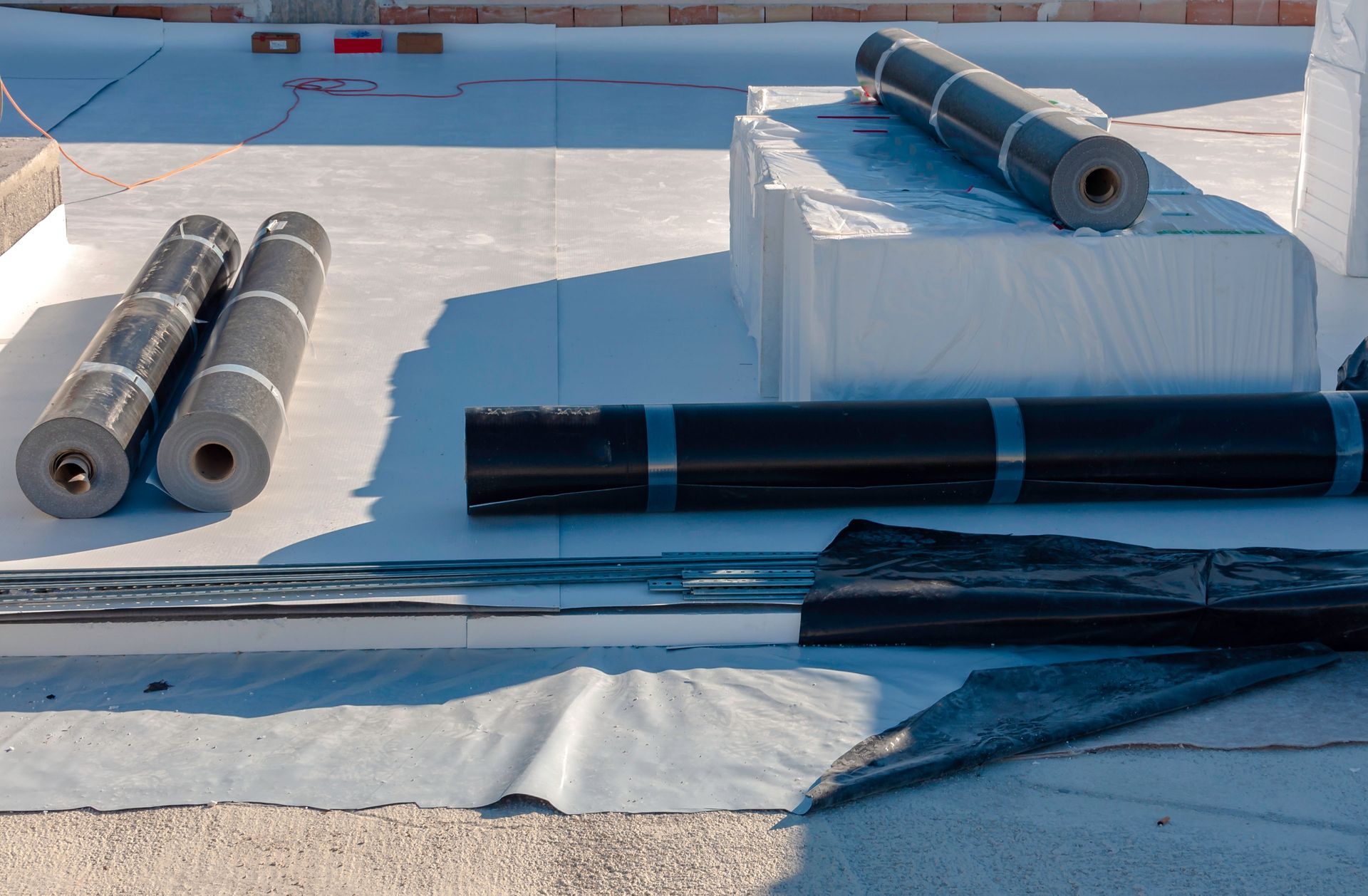
Commercial roofing projects often need to accommodate business operations, tenant schedules, deliveries, and other daily activities. TPO membranes are available in rolls that trained installers can position across suitable roof surfaces, helping cover large areas efficiently. Depending on the building design, TPO roofing may be mechanically attached, adhered, or installed using other manufacturer-approved methods. The best approach depends on factors such as the roof deck, insulation assembly, wind requirements, and existing conditions. Project size, weather, access limitations, and the need to remove old materials can also influence the installation schedule. Contractors should inspect the roof before estimating the work and explain any preparation or repair requirements. Careful scheduling and coordination can reduce avoidable interruptions to commercial operations. Property owners should prioritize correct installation over speed alone because workmanship directly affects the roof's performance.
Reducing Water Intrusion Through Sealed Seams
Water penetration is a major concern for commercial buildings, particularly those with broad, low-slope roof surfaces. TPO membrane sections are commonly joined using hot-air welding, which fuses compatible material surfaces to create a continuous seam. Correctly completed seams help limit opportunities for water to enter the roofing assembly. A properly installed TPO roofing system also requires attention to flashing, drains, penetrations, roof edges, and transitions between different surfaces. These locations can be especially vulnerable when details are installed incorrectly or deteriorate over time. Contractors should inspect seam quality and verify that the finished system follows manufacturer specifications. Keeping drains clear and removing accumulated debris can also help prevent standing water from contributing to roofing problems. Regular assessments allow property owners to address developing concerns before moisture affects interior spaces or building materials.
Evaluating Lifespan and Maintenance Requirements
Understanding expected service life helps commercial property owners plan maintenance budgets and future replacement projects. According to Thumbtack, a TPO roof may last approximately seven to 20 years when it receives proper maintenance, although actual longevity depends on installation quality, environmental exposure, and product characteristics. Property owners considering TPO roofing should recognize that this range is an estimate rather than a guarantee for every building. Routine inspections can reveal loose flashing, damaged membrane sections, deteriorating sealants, and other conditions that require attention. Maintenance schedules should account for local weather, rooftop traffic, nearby trees, and the presence of mechanical equipment. Repairs should be completed using compatible materials and methods recommended for the installed system. Keeping records of inspections and completed work can help identify recurring problems. A proactive maintenance plan supports more predictable budgeting and helps preserve the roof's protective function.
Comparing Costs With Long-Term Value
Initial installation costs are important, but they represent only one part of a commercial roofing investment. Property owners should also consider maintenance, potential repairs, energy use, expected service life, and eventual replacement expenses. TPO roofing may offer a practical balance of material performance and installation efficiency, depending on the project requirements. Quotes should clearly explain the proposed membrane, insulation, attachment method, flashing details, and preparation work. Comparing these specifications helps businesses avoid choosing a contractor based on price alone. A lower initial estimate may not provide the same materials, workmanship, or project scope as a more comprehensive proposal. Owners should also review warranty conditions and understand which maintenance activities are necessary to preserve coverage. Evaluating the complete cost of ownership provides a more useful basis for comparing commercial roofing options.
Accommodating Different Commercial Building Needs
Commercial properties differ in size, structural design, rooftop equipment, occupancy, and exposure to severe weather. Warehouses may have expansive roof areas, while retail buildings and offices may contain numerous penetrations, skylights, or air-conditioning units. TPO roofing can be suitable for many flat and low-slope applications when the building conditions and system specifications are compatible. Contractors must evaluate the roof deck, drainage design, insulation requirements, and applicable building codes before recommending a particular assembly. Wind uplift resistance and fire performance should also be considered according to local requirements and the building's design. Some roofs may require additional preparation or repairs before a new membrane can be installed. A professional assessment helps determine whether this material fits the property's practical needs. Choosing a system based on building-specific conditions supports more reliable performance over time.
Maintaining Performance Through Professional Inspections
Even a well-installed commercial roof benefits from regular professional attention. Inspections can identify membrane damage, seam separation, drainage problems, and deterioration around rooftop equipment before these issues become extensive. Property owners should arrange assessments after significant storms and follow a routine schedule appropriate for their building. With TPO roofing, trained professionals can examine vulnerable details and recommend compatible repairs when needed. Maintenance may include clearing drains, removing debris, checking flashing, and documenting changes in the membrane's condition. Building staff should also avoid placing sharp objects or unnecessary equipment directly on the roof surface. Promptly addressing identified problems can help prevent water intrusion and reduce the risk of expensive interior damage. Consistent maintenance gives owners a clearer understanding of roof condition and helps them plan repairs before emergencies arise.
Selecting a commercial roofing system requires careful consideration of energy performance, installation needs, durability, and maintenance obligations. TPO membranes can provide a practical solution for many low-slope buildings, but the results depend on choosing an appropriate system and having it installed correctly. Property owners should compare proposals, review product specifications, and arrange regular inspections to protect their investment.
Contact Roughneck Roofing to discuss your commercial property's roofing needs and explore suitable options for protecting your building with a professionally installed roofing system.