October 19, 2026
Choosing roofing materials is one of the most important decisions homeowners make when planning a new roof. The material selected can influence durability, appearance, maintenance needs, energy performance, and long-term costs. A roof is expected to protect a home from rain, wind, sunlight, temperature changes, and other environmental conditions, so the materials used must be suited to both the property and the surrounding climate.
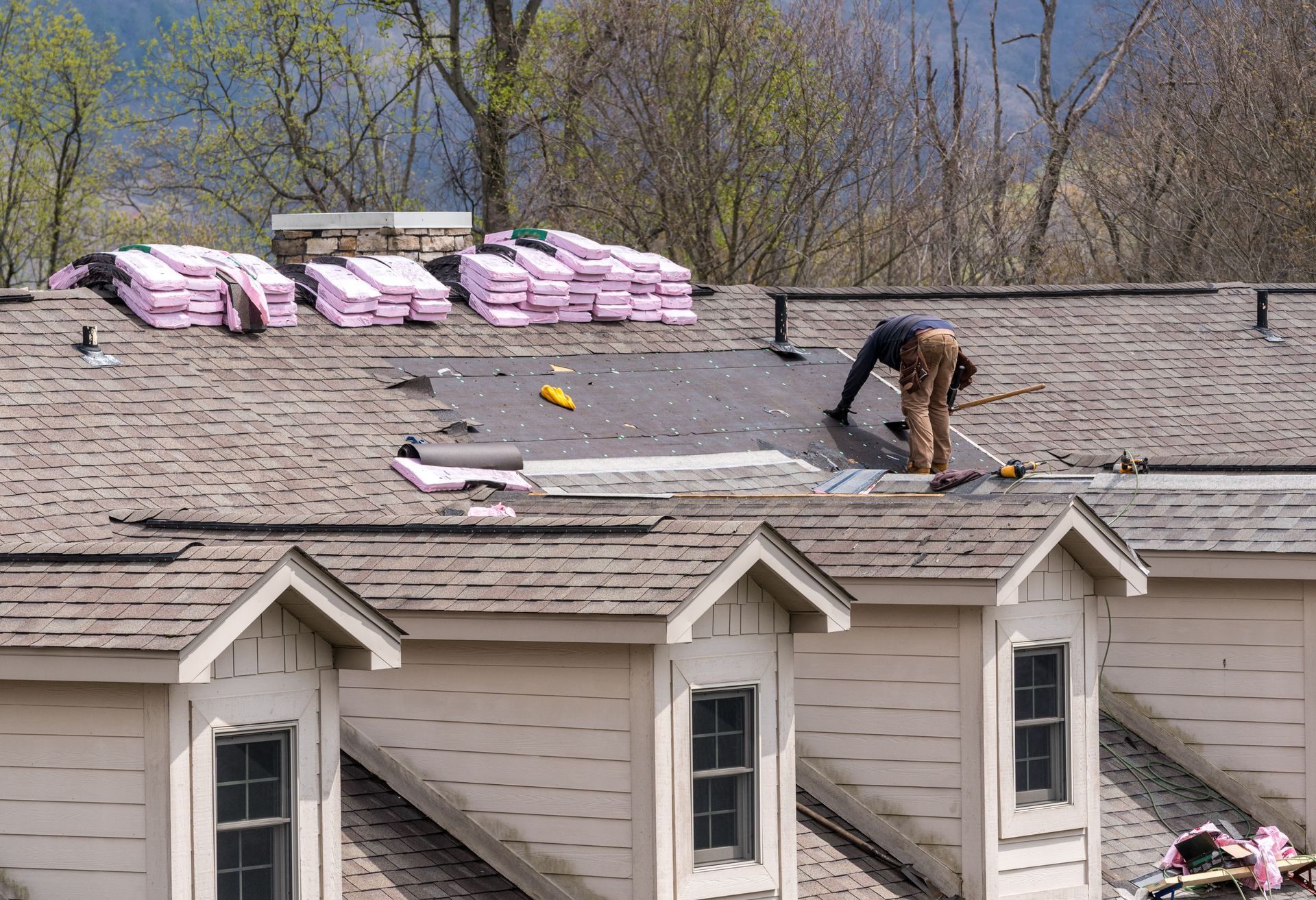
During roof installation, material selection also affects how the roofing system is designed and installed. Different materials require specific underlayment, fastening methods, structural considerations, and maintenance practices. Homeowners who understand these differences can make more informed choices and select a roofing system that supports their priorities for performance, appearance, and budget.
Evaluating Long-Term Durability
Durability is a major factor when comparing roofing materials because each option responds differently to weather, impact, moisture, and aging. Asphalt shingles, metal panels, slate, tile, and other materials all have distinct service lives and performance characteristics. Choosing a material with the right level of durability can reduce the likelihood of premature deterioration and help homeowners plan for future maintenance.
A roof installation should account for the conditions the roof is likely to face throughout the year. Homes in areas with heavy rain, snow, strong winds, or intense sunlight may benefit from materials designed to handle those specific challenges. Selecting materials based on local conditions can help prevent problems such as cracking, lifting, corrosion, and moisture intrusion.
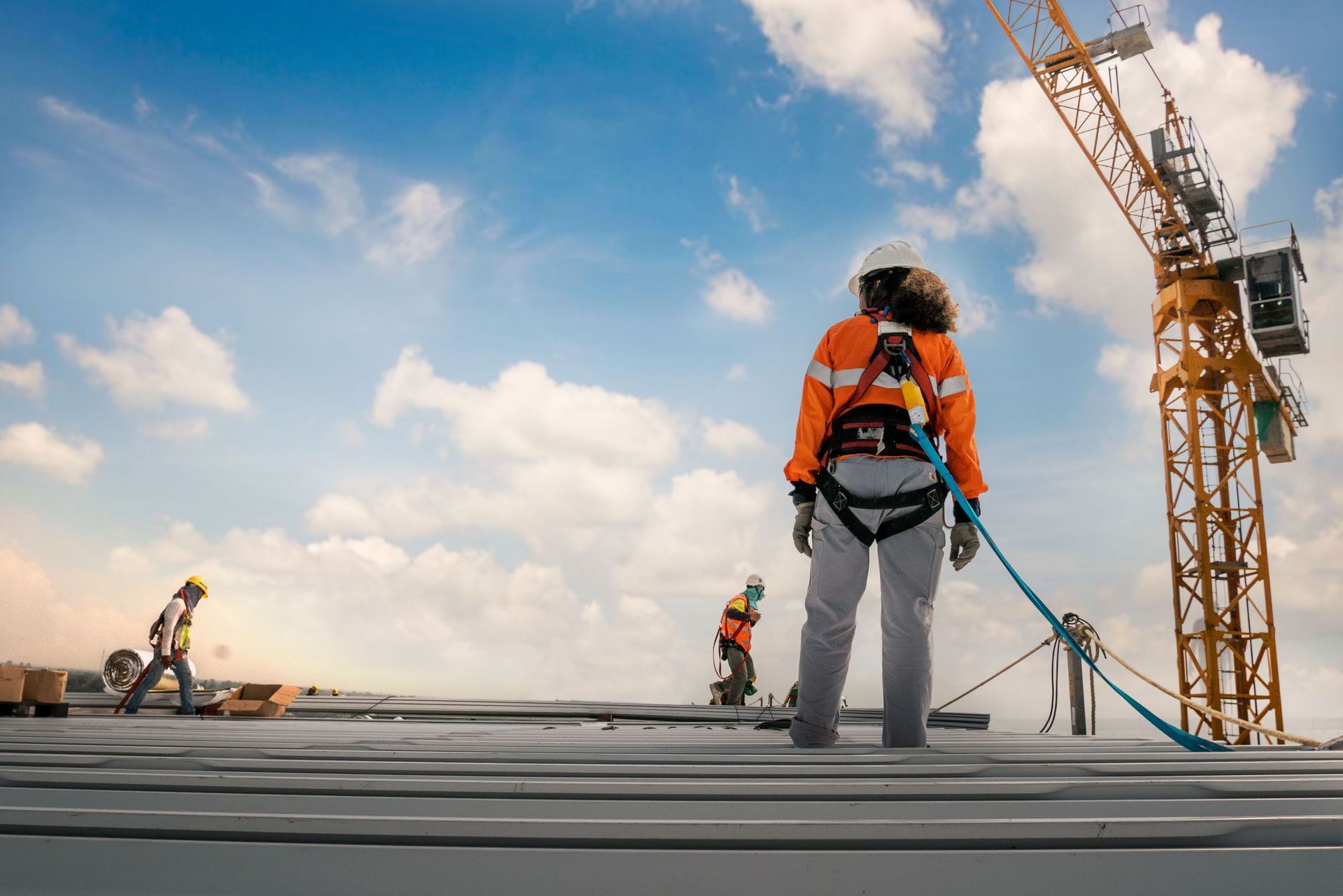
Lifespan is another important consideration. According to This Old House, steel roofing is valued for its strength and durability, with a typical lifespan of 30 to 50 years or longer. This type of information can help homeowners compare the expected longevity of various materials and determine whether a higher initial investment may provide value over time.
Comparing Maintenance Requirements
Different roofing materials require different levels of ongoing care. Some materials need periodic inspections and minor repairs to remain in good condition, while others may require more specialized maintenance. Understanding these requirements before roof installation can help homeowners choose an option that aligns with how much time and money they are prepared to devote to upkeep.
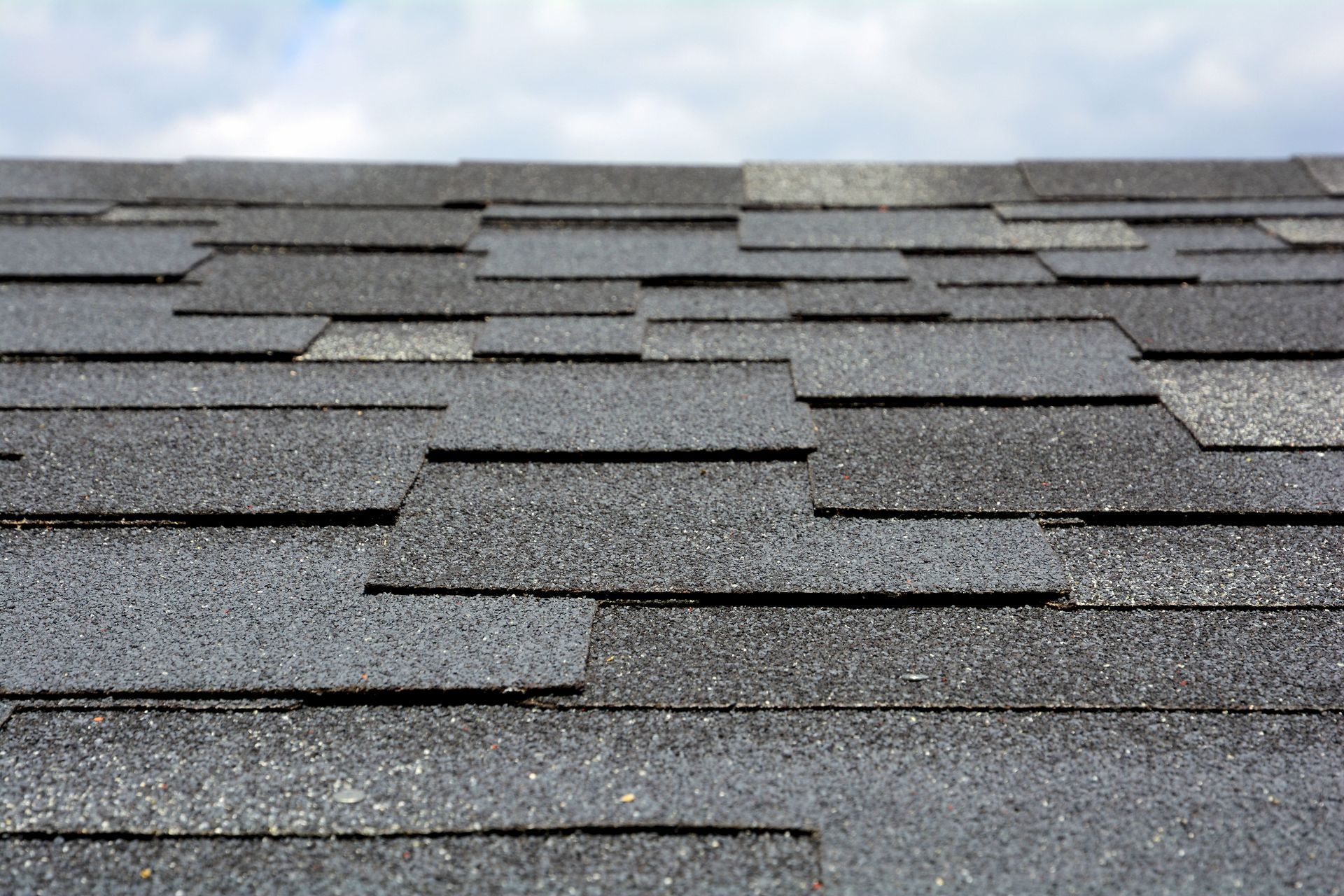
Asphalt shingles are widely used because individual damaged shingles can often be replaced without removing large sections of the roof. Metal roofing may require attention to fasteners, sealants, and surface coatings, depending on the system. Tile and slate can be durable, but broken pieces may need specialized replacement to avoid damaging nearby sections.
Maintenance needs can also affect long-term ownership costs. A lower-cost material may require more frequent repairs, while a more expensive material may need less routine attention. Evaluating these tradeoffs during the planning stage can help homeowners avoid focusing only on the initial price of materials.
Matching Materials to the Home
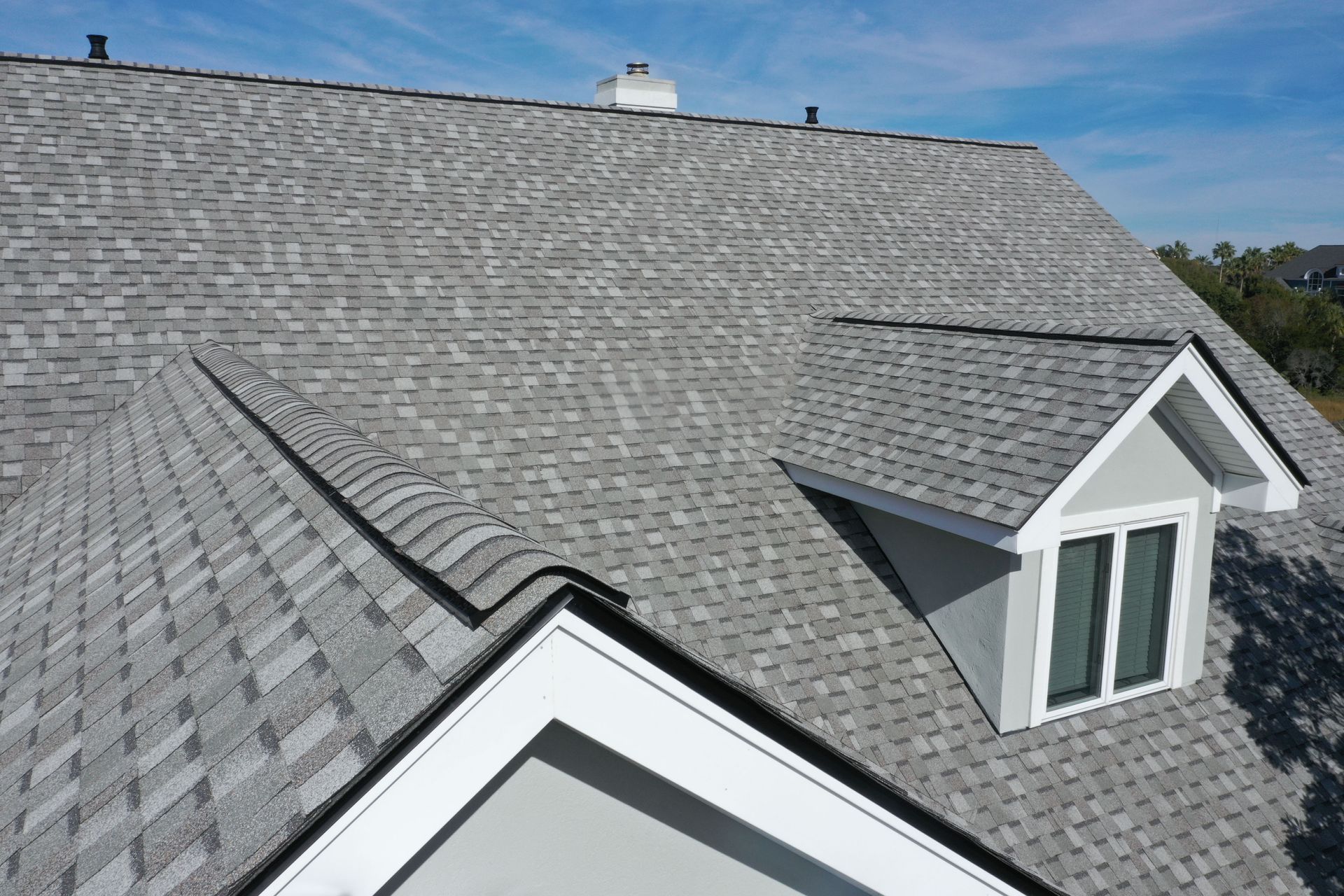
Roofing materials should complement the design, structure, and age of the property. A roof is a highly visible exterior feature, so its color, texture, shape, and overall style can influence curb appeal. Material selection during roof installation gives homeowners an opportunity to coordinate the roof with siding, trim, masonry, windows, and other exterior elements.
Structural compatibility is equally important. Some roofing materials, including certain types of slate and clay tile, are significantly heavier than standard asphalt shingles. A home may need additional structural support before these materials can be installed safely. Contractors can evaluate the roof deck and framing to determine whether the existing structure can handle the added weight.
Roof slope also affects material choices. Some products perform better on steeply pitched roofs, while others are suitable for lower slopes. Selecting a material that works with the roof's design helps support drainage and reduces the chance of water collecting in vulnerable areas.
Considering Energy Performance
Roofing materials can influence how much heat a home absorbs or reflects. This can affect indoor comfort and may also influence heating and cooling demands. Homeowners planning roof installation may want to consider reflective properties, insulation, ventilation, and color when comparing material options.
Light-colored and reflective roofing materials can reduce heat absorption in sunny climates. Metal roofing may also be manufactured with reflective coatings that help manage solar heat. In cooler climates, other roofing characteristics may be more important, including proper insulation and ventilation beneath the roof surface.
Material selection should be considered as one part of the home's overall energy system. Even a highly reflective roof may not perform as expected if attic insulation or ventilation is inadequate. Coordinating roofing materials with other components can help create a more balanced approach to energy efficiency.
Balancing Upfront and Long-Term Costs
Budget is often one of the first considerations when choosing roofing materials, but the purchase price alone does not tell the full story. Homeowners should also consider expected lifespan, repair needs, maintenance expenses, and replacement frequency. These factors can significantly affect the total cost of a roofing system over time.
During roof installation, homeowners may compare materials with different initial price points. Asphalt shingles are often more affordable upfront, while metal, slate, or tile may require a larger investment. However, a material with a longer service life may reduce the frequency of future replacement, which can change the long-term financial picture.
Installation complexity can also affect cost. Some materials require specialized tools, additional labor, or structural modifications. Understanding these requirements before work begins can help homeowners create a realistic budget and avoid unexpected expenses during the project.
Supporting Weather Resistance
Roofing materials serve as the home's first line of defense against changing weather conditions. The right selection can help protect the roof deck, attic, and interior spaces from water, wind, hail, snow, and ultraviolet exposure. Material performance should therefore be evaluated in relation to the local environment.
A properly planned roof installation considers not only the surface material but also the complete roofing system. Underlayment, flashing, ventilation, fasteners, and sealants all work together to create a protective barrier. The selected roofing material must be compatible with these components to reduce the chance of leaks and other forms of damage.
Wind resistance can be especially important in areas that experience severe storms. Some shingles and metal roofing systems are designed to meet specific wind ratings when installed according to manufacturer instructions. In regions with frequent hail, impact-resistant options may help reduce the likelihood of visible and structural damage.
Making a More Informed Roofing Decision
Material selection should reflect a combination of practical needs, personal preferences, and long-term plans for the property. Homeowners who intend to remain in a home for many years may prioritize durability and lifespan, while those working within a specific renovation budget may focus more heavily on upfront cost. There is no single roofing material that is ideal for every property.
A successful roof installation begins with understanding how each material performs and how it fits the home's structure, climate, and design. Homeowners can benefit from discussing available materials, warranties, maintenance expectations, and installation requirements with a roofing professional before making a final decision.
Taking time to compare options can help reduce costly changes after work has started. It can also help ensure that the selected material supports the home's appearance, protection, and long-term performance. Thoughtful planning allows homeowners to approach roof installation with clearer expectations and greater confidence in the finished roofing system.
Call Roughneck Roofing today to schedule your roofing service.