November 22, 2026
Choosing the right asphalt shingle color involves more than selecting a shade that looks attractive. The roof plays a significant role in a home's curb appeal, architectural appearance, energy efficiency, and overall value. Homeowners should consider several factors, including climate, exterior colors, neighborhood aesthetics, and roofing materials before making a decision. With the right selection, asphalt shingle roofs can complement a home's design while providing dependable protection for years.
Understanding Asphalt Shingle Color Options
Asphalt shingles come in a wide variety of colors, giving homeowners plenty of opportunities to find an option that complements their property. Popular choices include gray, brown, black, red, green, and blue, with some products featuring blended shades that add depth and texture. These options make asphalt shingle roofs suitable for many architectural styles and personal preferences.
According to Roofers Guild, 90% of U.S. asphalt roofs sold are fiberglass shingles. These shingles offer considerable versatility in color because their surface granules help create different shades and appearances. Homeowners can explore traditional and contemporary options while considering how each color will look alongside their home's existing exterior features.
Evaluating Temperature and Energy Efficiency
Shingle color can influence how much sunlight a roof absorbs or reflects. Lighter colors generally reflect more sunlight, which can help reduce heat absorption during warmer months. Darker shingles absorb more sunlight, potentially helping retain warmth in colder climates.
Reflective roofing materials can also contribute to household energy efficiency. Some shingles are designed with reflective properties that reduce heat transfer into the home, potentially lowering air conditioning demands during hot weather. When comparing asphalt shingle roofs, homeowners should consider both color and product performance rather than assuming that appearance alone determines energy efficiency.
Considering UV Protection and Durability
Sun exposure can gradually affect roofing materials, causing discoloration and deterioration over time. Modern asphalt shingles are manufactured with protective features designed to withstand environmental exposure and maintain their appearance. Choosing quality materials is important for preserving both the roof's performance and its visual appeal.
Color can also influence how visible certain types of wear become. Darker shades may conceal some dirt and discoloration, while lighter colors can make algae growth or staining more noticeable. Homeowners should discuss available materials and protective features with roofing professionals to understand which options are appropriate for their properties.
Reviewing Popular Roofing Color Trends
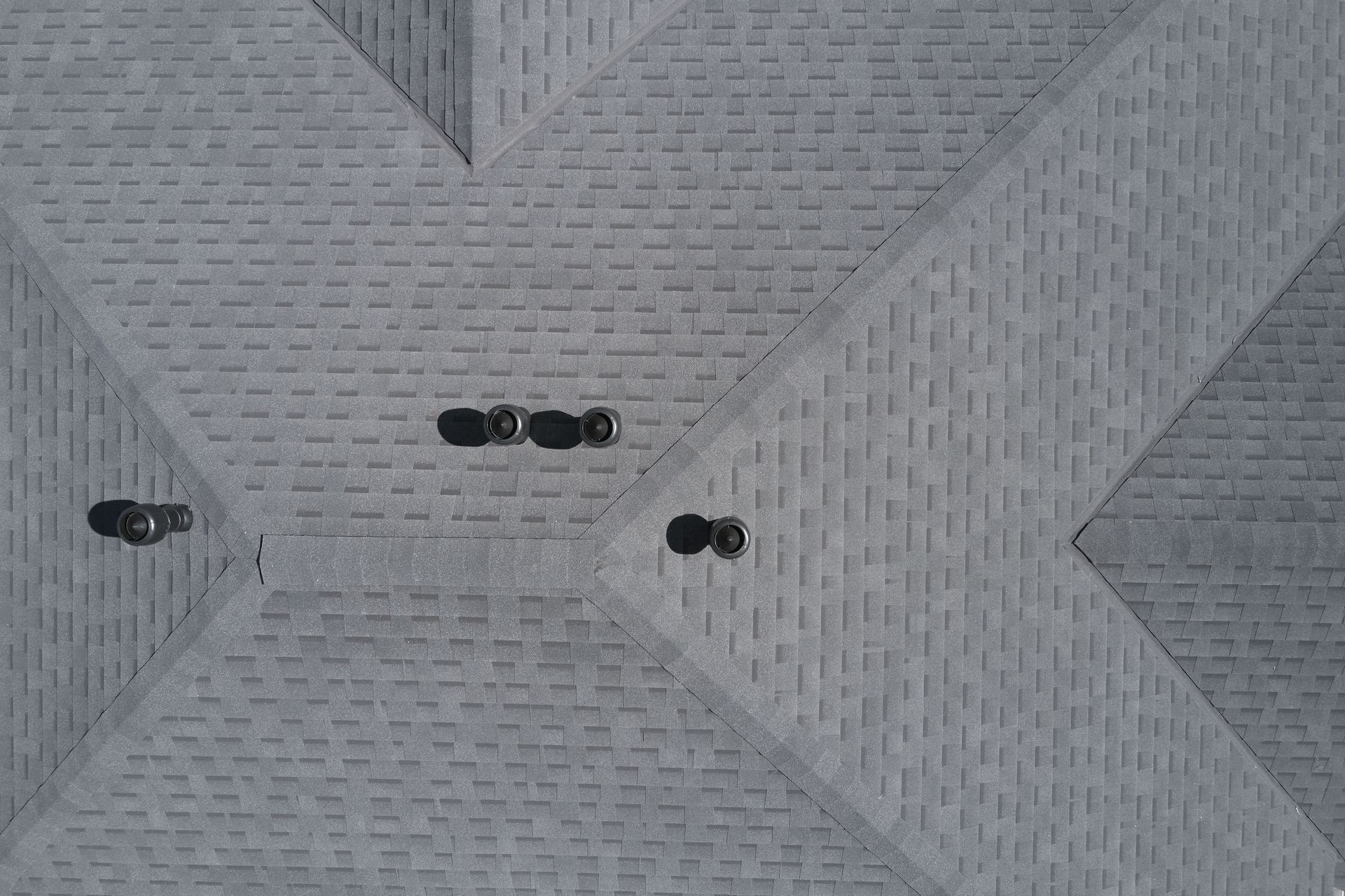
Roofing color preferences change over time, but neutral shades remain popular because they complement many home designs. Gray, charcoal, brown, and black shingles provide versatile options that work with different siding and exterior finishes. These colors can also create a timeless appearance that remains appealing as design trends evolve.
Some homeowners prefer more distinctive colors, including muted greens, reds, and blues. These shades can add personality while complementing surrounding landscaping and architectural details. When choosing asphalt shingle roofs, it is important to balance current trends with personal preferences and the home's overall appearance.
Matching Shingles to Architectural Styles
The architectural style of a home should influence roofing color selection. Traditional properties often look best with classic shades that complement brick, stone, and decorative exterior features. Browns, tans, charcoal grays, and muted greens can provide a balanced appearance without overwhelming the home's design.
Modern and contemporary homes may benefit from darker or more contrasting colors. Black and deep gray shingles can emphasize clean architectural lines and create a streamlined appearance. These options work particularly well with minimalist exteriors and homes featuring lighter siding or metal accents.
Colonial and historical properties often benefit from traditional roofing palettes. Slate-inspired grays, dark browns, and muted greens can preserve the character of these homes while complementing their established architectural features. Homeowners in historic districts should also review applicable preservation requirements before selecting materials.
Rustic and country-style properties often pair well with natural colors. Forest green, cedar brown, and weathered red can complement wood siding, stone accents, and surrounding greenery. Selecting a color that blends with the natural environment can create a welcoming appearance.
Evaluating Neighborhood and Environmental Factors
The surrounding neighborhood can provide useful guidance when selecting a roof color. Homeowners may want to consider nearby properties to identify colors that complement the area's general appearance. While individual preferences are important, maintaining some visual consistency can contribute to neighborhood appeal.
Local weather conditions should also influence the decision. Homes in warmer regions may benefit from lighter roofing colors that reflect more sunlight, while darker options may be suitable for colder environments. Professional recommendations can help homeowners understand how different roofing materials perform under local conditions.
Environmental considerations are another important part of the selection process. Reflective roofing materials may help reduce heat absorption and contribute to lower cooling demands. In densely developed areas, roofing choices that reflect sunlight can also support efforts to reduce surrounding heat buildup.
Homeowners should also review any homeowners association requirements before selecting a color. Some communities restrict roofing materials or establish approved color palettes to maintain a consistent neighborhood appearance. Properties located in historic districts may have additional requirements that influence available choices.
Coordinating Shingle Colors With Exterior Features
A roof should complement the home's siding, trim, shutters, doors, and other exterior details. Choosing a color that works with these elements creates a more cohesive appearance and improves curb appeal. Homeowners can compare complementary shades or select contrasting colors that highlight specific architectural features.
Landscaping should also factor into the decision. Homes surrounded by mature trees and greenery may look attractive with earthy roofing shades, while properties with modern landscaping may benefit from charcoal or black shingles. Considering the entire exterior helps ensure the roof does not appear disconnected from the rest of the property.
Roofing colors can also highlight or balance architectural details. Contrasting shades may draw attention to dormers, gables, and other distinctive features, while neutral colors can create a more understated appearance. The goal is to select a roof color that enhances the home's existing design without competing with other elements.
Balancing Appearance With Long-Term Maintenance
Different shingle colors can affect how visible dirt, algae, and normal weathering become over time. Lighter shingles may show certain stains more clearly, while darker options can conceal some discoloration. These differences are worth considering when evaluating the long-term appearance of asphalt shingle roofs.
Maintenance requirements also depend on material quality, installation, ventilation, and environmental exposure. Even an attractive color cannot compensate for poor roofing performance or inadequate installation. Homeowners should prioritize durable materials and professional workmanship when planning a roofing project.
Resale value is another consideration. A roof color that complements the home's architectural style can improve curb appeal and make the property more attractive to prospective buyers. Neutral and versatile shades often provide flexibility because they appeal to a wider range of preferences.
Exploring Professional Roofing Guidance
Selecting the right roofing color can be easier with guidance from experienced roofing professionals. Contractors can explain available shingle options, compare manufacturer color selections, and help homeowners understand differences in material performance. Their recommendations can account for the home's architecture, surrounding environment, and local weather conditions.
Professional guidance is also valuable when evaluating how roofing materials will look after installation. Shingle samples and manufacturer visualization tools can help homeowners compare colors against existing exterior finishes. Viewing options in different lighting conditions can provide a more realistic understanding of their appearance.
Experienced contractors can also explain how installation quality affects the performance and longevity of asphalt shingle roofs. Proper material selection, ventilation, and installation techniques all contribute to a roof's ability to protect the home. Working with a qualified company helps ensure that aesthetic decisions are supported by practical roofing considerations.
Making a Confident Roofing Color Decision
Choosing a shingle color requires balancing appearance, functionality, and long-term value. Homeowners should consider architectural style, exterior finishes, neighborhood requirements, climate, and maintenance expectations before settling on a particular option. Comparing several colors and reviewing professional recommendations can help narrow down the possibilities.
Quality materials and proper installation are just as important as appearance. Asphalt shingle roofs should provide dependable protection while complementing the home's exterior design. Taking time to evaluate available options can help homeowners make a decision that meets both their practical needs and aesthetic preferences.
For homeowners considering a new roof or exploring different shingle options, Roughneck Roofing can help make the selection process easier. Contact Roughneck Roofing to discuss roofing materials, color options, and professional installation services. An experienced roofing team can help you choose a solution that complements your home and provides lasting protection.