November 23, 2026
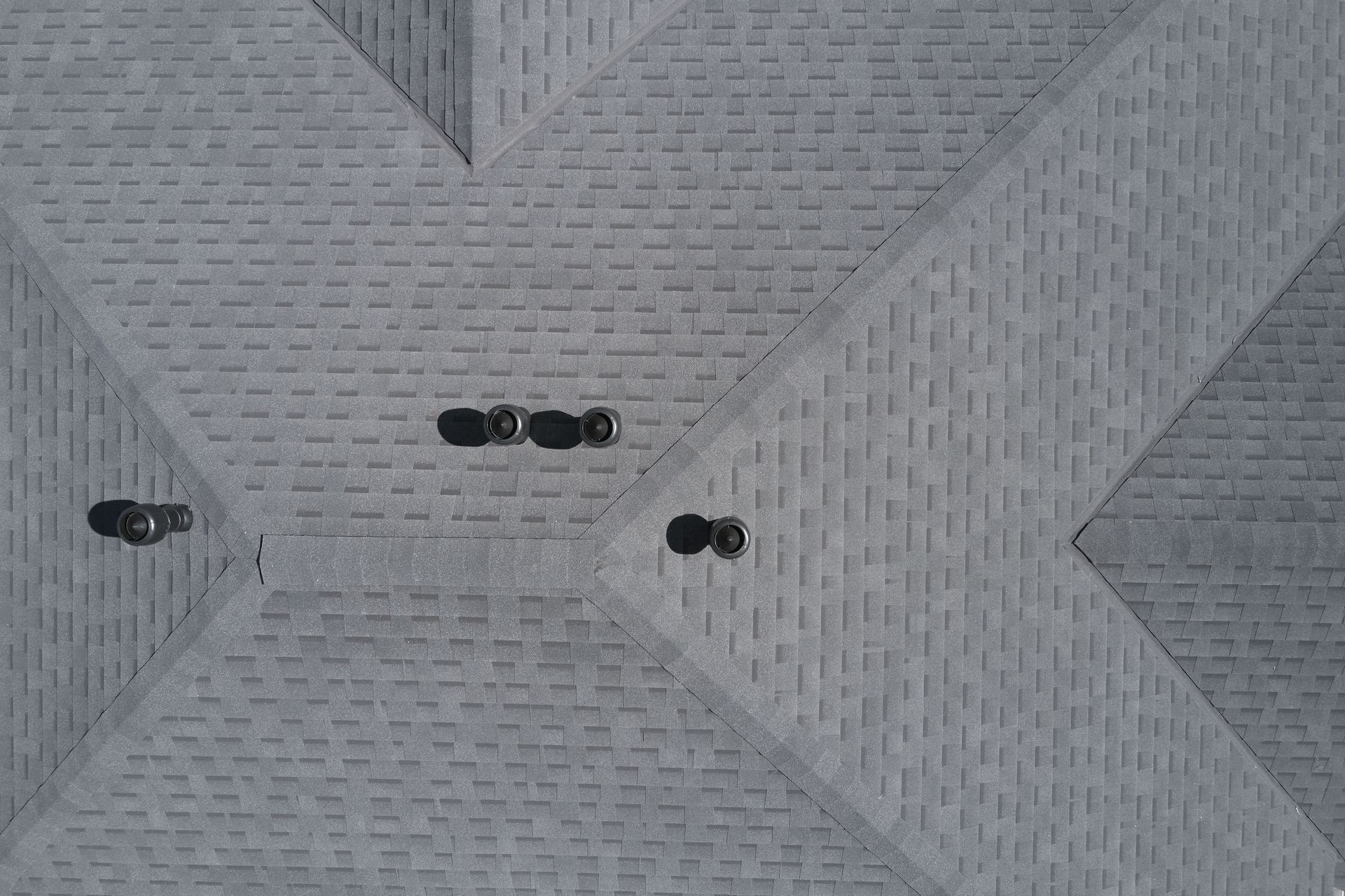
Selecting the right roofing material represents one of the most critical decisions a homeowner faces when protecting a property against harsh outdoor elements. An asphalt shingle roof remains the most popular residential choice across North America because it provides an effective balance of durability, visual appeal, and affordability. Shingles are manufactured in distinct grades that vary considerably in thickness, life expectancy, wind resistance, and overall manufacturing composition. Learning how these grades differ helps homeowners choose the ideal surface for their budget, climate conditions, and architectural preferences.
Reviewing Standard Shingle Classifications
Every shingle grade shares a foundational engineering concept, yet each category uses different configurations of raw components. Modern shingles consist of a base mat made from woven fiberglass fibers to provide tensile strength and tear resistance. Manufacturers coat this core mat with asphalt compound to create a water-resistant barrier before embedding ceramic-coated mineral granules into the surface. These specialized mineral granules reflect harsh ultraviolet rays, provide distinctive color blends, and shield the underlying waterproofing layer from heat breakdown.
According to RubyHome, approximately five million residential roofs are installed across the country each year. A significant percentage of those projects rely on asphalt products due to their reliability and straightforward installation. When planning for an asphalt shingle roof, property owners must understand how manufacturers categorize materials into three main classifications:
- Traditional three-tab shingles that serve as the economical entry point
- Architectural shingles that provide enhanced structural reinforcement and depth
- Premium luxury shingles that emulate natural materials while offering superior protection
Understanding these distinctions prevents premature replacement cycles and helps homeowners select products rated for their regional weather conditions.
Evaluating Traditional Three-Tab Options
Traditional three-tab shingles represent the original standard for residential asphalt roofing. These products receive their name from the three distinct tabs cut into the lower half of each strip, creating a uniform brick pattern across the roof deck. Because three-tab shingles are manufactured from a single layer of fiberglass matting, they are relatively thin, flat, and light.
Historically, three-tab products dominated residential neighborhoods due to their budget-friendly pricing. They remain the least expensive shingle option on the market, offering a functional service life of 15 to 20 years under normal weather conditions. However, three-tab products present operational limitations in severe weather. Because each strip is lightweight, wind resistance ratings are typically limited to 60 miles per hour, making them vulnerable to blow-offs. Furthermore, their single-layer construction provides less resistance against falling hail and airborne branches.
Property owners frequently select three-tab options for specific applications:
- Detached storage sheds, workshops, and standalone garages
- Rental or investment properties where keeping upfront capital expenditures low is the primary objective
- Real estate preparation projects requiring an immediate surface update prior to sale
Selecting Modern Architectural Products
Architectural shingles, also referred to as dimensional or laminated shingles, currently represent the most widely chosen roofing material for single-family residences. Unlike single-layer varieties, architectural shingles are engineered by fusing two or more layers of asphalt-coated fiberglass together during manufacturing. The exterior layer features random tab cuts and varying contours, producing a textured shadow line across the structure.
This laminated design provides significant performance improvements over traditional options. The increased thickness delivers greater rigidity, allowing architectural shingles to withstand heavier impacts and windblown debris. Standard architectural lines generally achieve wind resistance ratings of 110 to 130 miles per hour and routinely last 25 to 30 years with proper attic ventilation.
Many homeowners choose an architectural asphalt shingle roof because the multi-layered design provides exceptional wind uplift resistance and striking dimensionality. The random pattern also conceals subtle decking imperfections far better than flat three-tab shingles. In addition, many manufacturers incorporate algae-resistant copper granules into these shingles, preventing dark streaks caused by airborne mold spores and humidity. While architectural products require a higher upfront investment of approximately 15% to 25% compared to three-tab alternatives, their extended lifespan and reduced maintenance requirements provide superior financial value over time.
Choosing Premium Luxury Materials
Luxury shingles represent the top tier of asphalt manufacturing. These heavy-gauge products replicate the rich, authentic appearance of cedar shake or natural quarried slate. Manufacturers achieve this high-end look by layering extra-thick sheets of asphalt and fiberglass, producing dramatic contours and deep shadow lines.
Weight serves as one of the primary defining characteristics of luxury shingles. A square of luxury shingles can weigh more than double the weight of a standard three-tab square, translating directly into superior durability, weather resistance, and thermal performance. Investing in a luxury asphalt shingle roof delivers an elegant appearance alongside distinct advantages:
- Distinctive curb appeal with variegated shading and vintage profiles
- Maximum wind resistance ratings exceeding 130 miles per hour
- Exceptional resistance to tearing, thermal cracking, and granule depletion during hailstorms
- Extended manufacturer warranty coverage, frequently including 50-year protection
These products represent a substantial capital investment, often costing more than double the price of architectural shingles. Additionally, their weight requires a contractor to verify that the home's framing can safely bear the additional dead load.
Comparing Impact and Wind Ratings
Beyond basic classifications, evaluating the performance grade of a shingle involves reviewing standardized laboratory testing certifications. Independent organizations subject shingles to rigorous tests to classify their resistance against wind uplift and physical impact.
Impact resistance is measured under the Underwriters Laboratories (UL) 2218 standard. Products are categorized into four distinct levels:
- Class One rating, tested with a 1.25-inch steel ball dropped from 12 feet
- Class Two rating, tested with a 1.5-inch steel ball dropped from 15 feet
- Class Three rating, tested with a 1.75-inch steel ball dropped from 17 feet
- Class Four rating, tested with a two-inch steel ball dropped from 20 feet without cracking the backing material
Shingles achieving a Class Four rating provide the highest available protection against severe hailstorms and can qualify homeowners for insurance premium reductions ranging from 5% to 25%. In severe storm regions, these resilient materials prevent micro-fissures in the asphalt bed that frequently trigger hidden roof leaks. Evaluating these technical ratings confirms that a new asphalt shingle roof will withstand severe weather, windstorms, and flying hail.
Hiring Qualified Residential Contractors
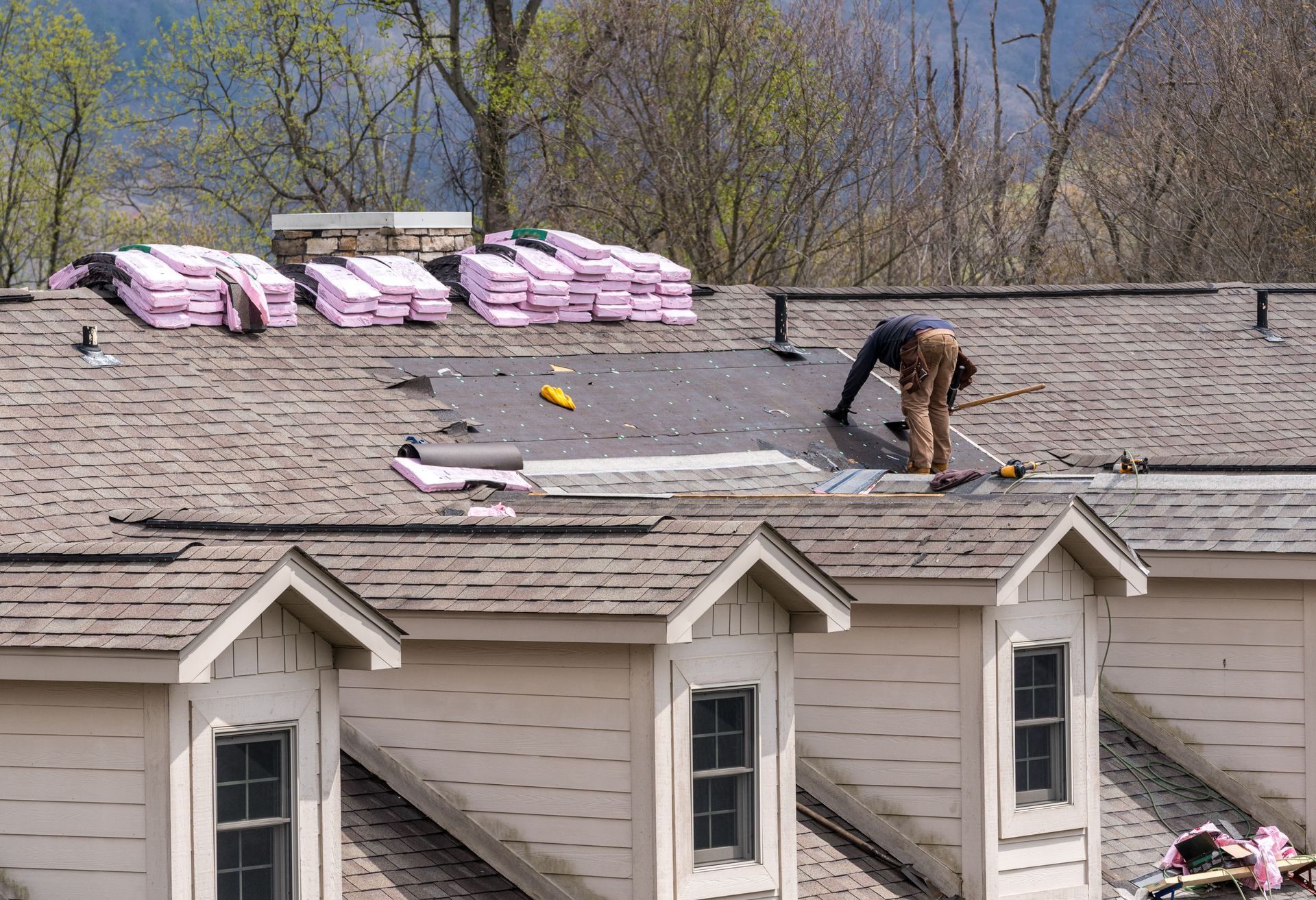
Regardless of which shingle grade a property owner selects, the performance and longevity of the roofing system depend entirely on proper field installation. Roofing tasks present severe safety hazards, including steep slope angles, heavy materials, and elevated fall risks. Homeowners should never attempt do-it-yourself roof installation or replacement. Inexperienced labor frequently leads to improper fastener placement, misaligned starter strips, compromised flashing, and voided manufacturer warranties.
Professional contractors possess the safety gear, pneumatic tools, and technical training required to install shingles according to local building codes and strict manufacturer guidelines. During an installation, qualified crews verify adequate attic ventilation, place ice and water barriers in vulnerable valleys, and fasten each shingle using four to six nails placed at the manufacturer-specified line. Professional roofers also inspect the underlying structural decking for rot before applying any new underlayment materials. Proper installation remains essential for extending the operational lifespan of an asphalt shingle roof, regardless of which grade a homeowner selects.
Selecting the right shingle grade requires balancing your immediate budget, personal aesthetic taste, and long-term residency plans. While three-tab shingles offer an economical choice for auxiliary structures, architectural shingles provide the reliable durability and visual refinement ideal for most family residences. For those seeking distinctive curb appeal and maximum storm protection, luxury shingles deliver unmatched aesthetic charm and heavy-duty performance. To schedule a comprehensive roof inspection or choose the ideal shingle grade for your home, contact Roughneck Roofing today.