November 20, 2026
Seasonal weather changes can affect the performance, durability, and maintenance needs of commercial roofing systems. Thermoplastic Olefin (TPO) roofing is a popular option because of its energy efficiency, flexibility, and resistance to common environmental threats. However, changing temperatures, heavy precipitation, strong winds, and prolonged sun exposure can still create challenges. Understanding how these conditions affect a roof throughout the year helps property owners recognize potential problems and plan appropriate maintenance. From winter snow to summer heat, knowing what to monitor can help preserve a roofing system's condition and support its long-term performance.
Understanding Seasonal Effects on TPO Roofing
Recognizing Material Characteristics
TPO is a single-ply membrane made from a blend of polypropylene and ethylene-propylene rubber. This combination provides flexibility and durability, making it suitable for flat and low-slope commercial roofs. The material is also available in different thicknesses, allowing property owners to select an option that meets their building's needs.
One of its primary advantages is its reflective surface, which helps reduce heat absorption during warmer months. The membrane also resists many common threats, including punctures, tears, chemicals, and mold growth. However, no roofing material is completely immune to environmental stress. Understanding how weather affects TPO roofing components can help property owners recognize when professional attention may be necessary.
Understanding Installation and Maintenance Needs
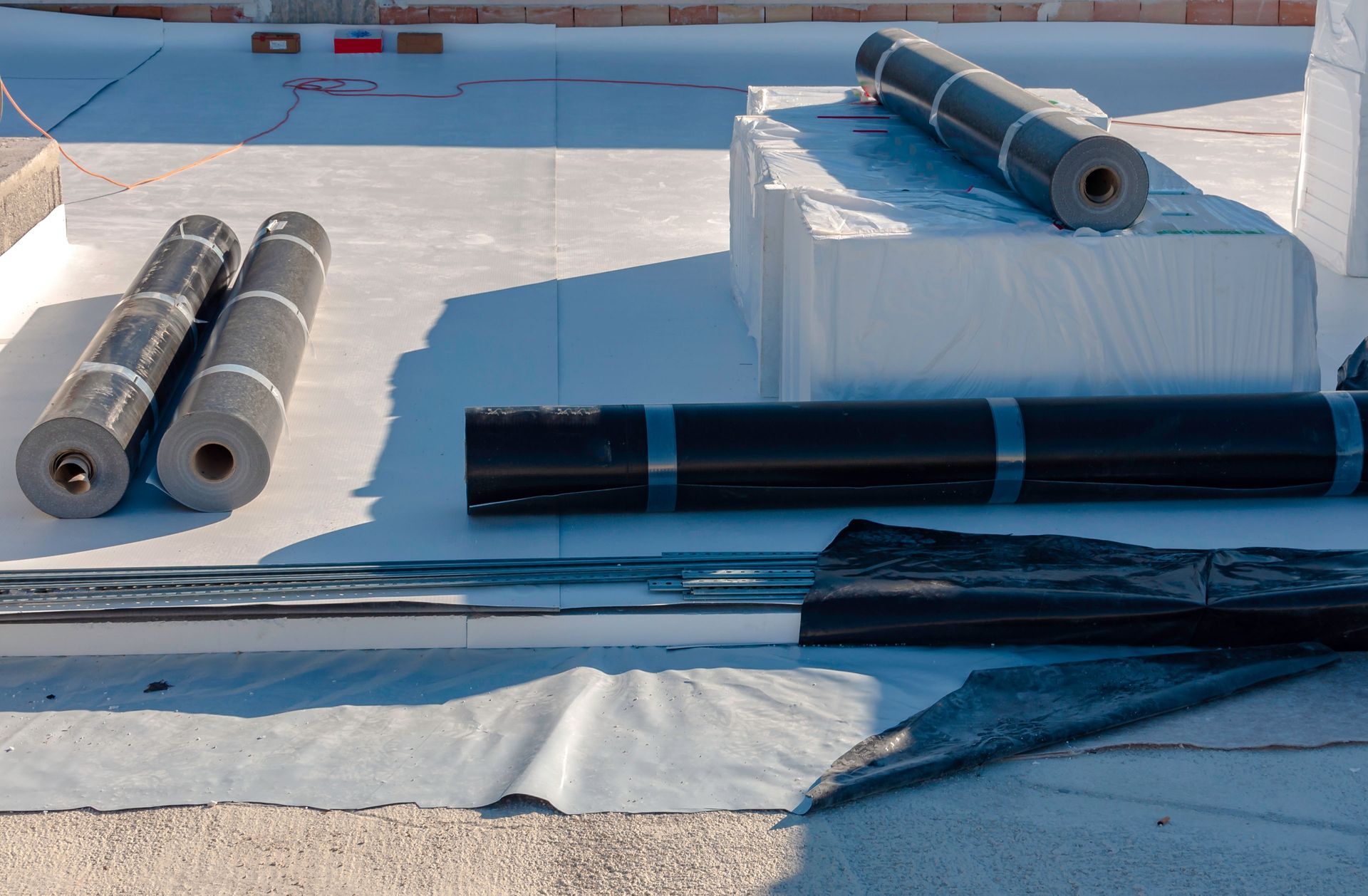
Proper installation plays an important role in how a roof performs under changing weather conditions. Contractors typically secure the membrane through mechanical attachment, full adhesion, or an approved ballasted system. They also use hot-air welding to join membrane seams and create a protective barrier against moisture. Properly installed TPO roofing can better withstand seasonal temperature changes and environmental exposure.
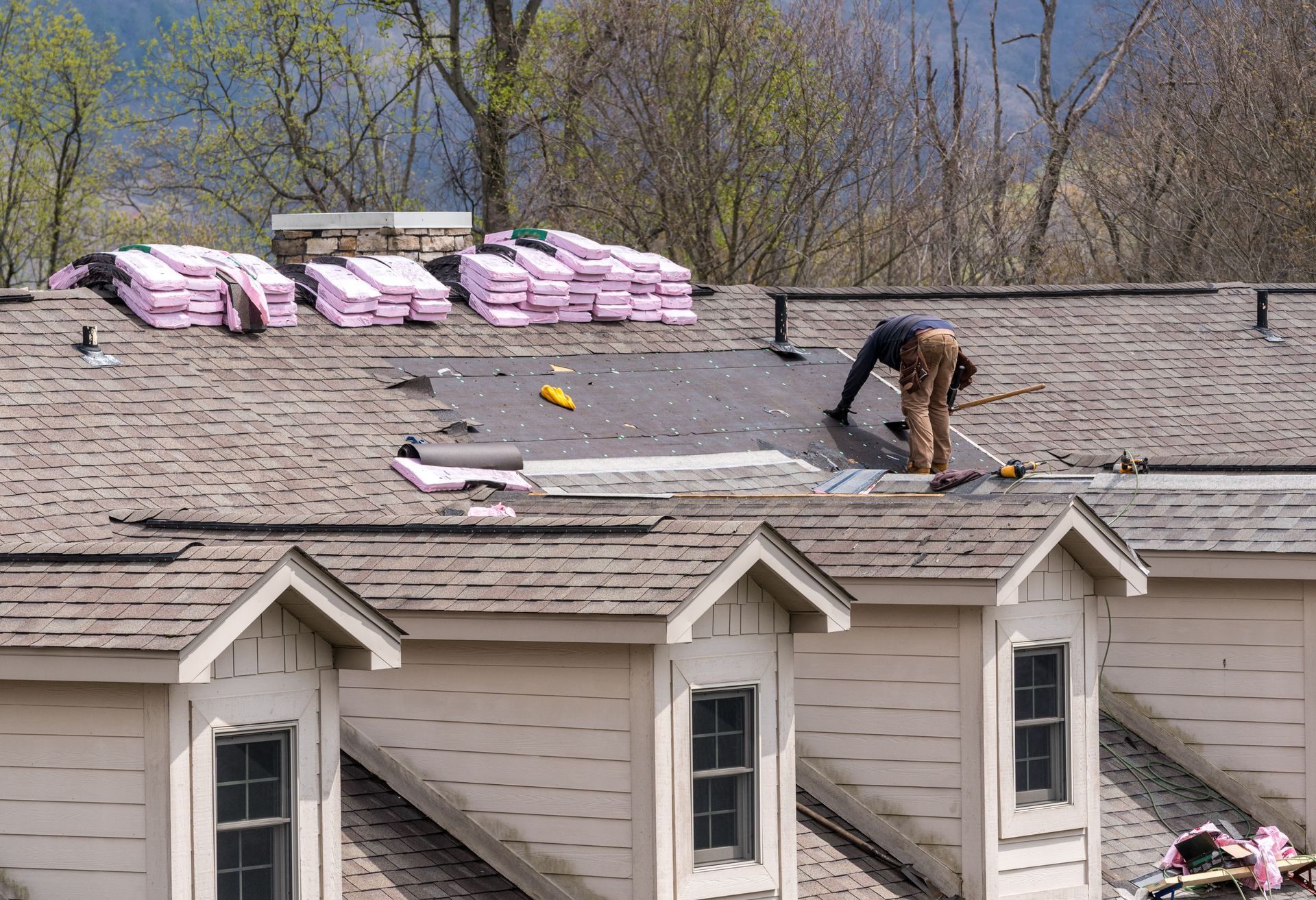
Even a properly installed system requires periodic attention. Temperature changes, precipitation, and everyday rooftop activity can gradually affect seams, attachment points, and drainage components. Routine professional evaluations help identify developing concerns before they become more extensive problems.
Managing Winter Weather Challenges
Addressing Snow and Ice Accumulation
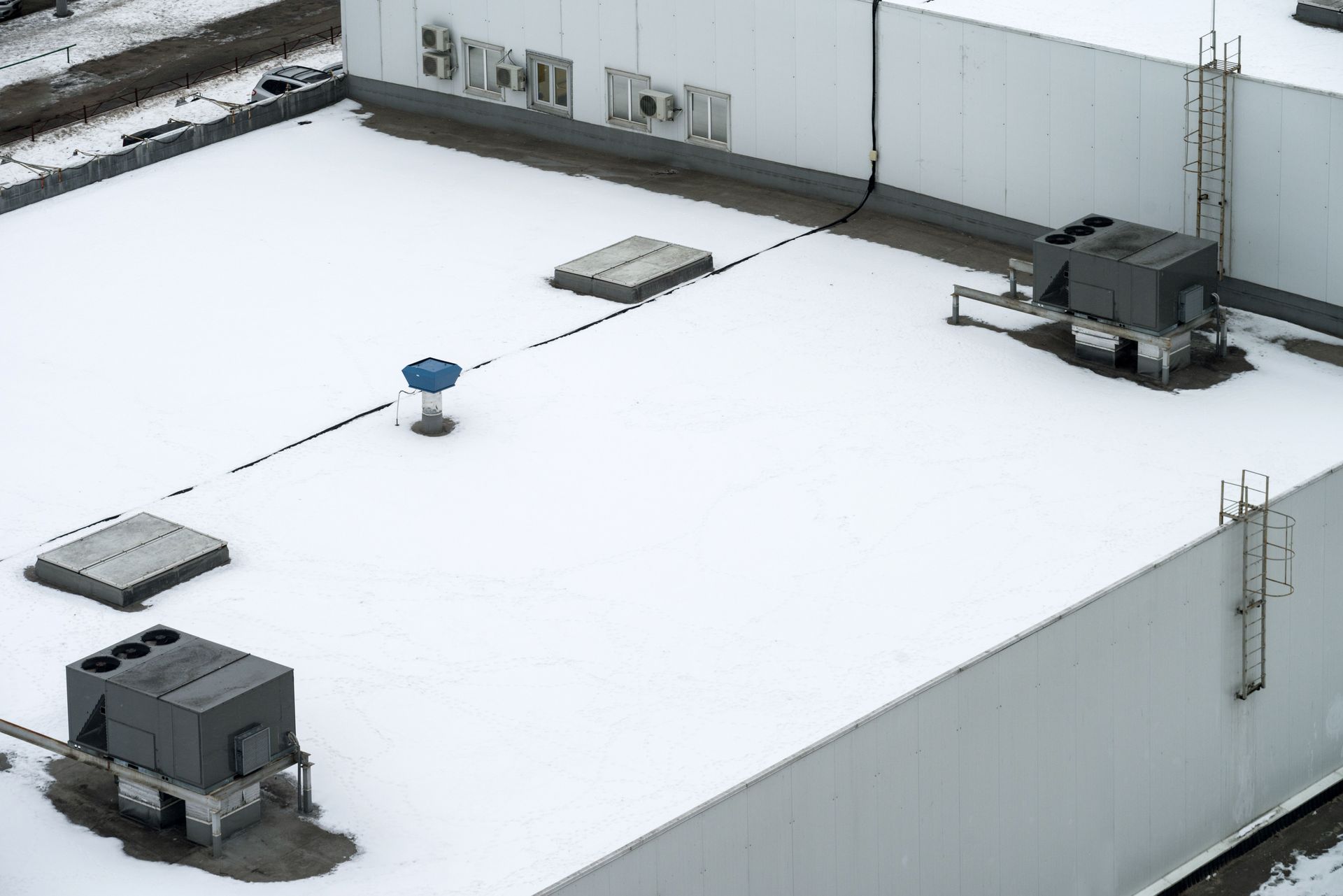
Winter weather can place additional stress on commercial roofs. Heavy snow adds weight to the building structure, while melting and refreezing can contribute to drainage problems and moisture intrusion. Ice accumulation may also create conditions that allow water to collect around vulnerable areas. These conditions can affect TPO roofing if moisture reaches compromised seams or other vulnerable sections.
Property owners should monitor their roofs for excessive snow buildup and drainage obstructions. Snow removal, when necessary, should be handled carefully by qualified professionals to avoid puncturing or otherwise damaging the membrane. Removing ice with sharp tools or harsh methods can create additional problems.
Monitoring Cold-Weather Material Movement
Although TPO membranes are designed to accommodate some movement, colder temperatures can make roofing materials less flexible. Repeated temperature changes also cause materials to expand and contract, placing stress on seams, flashing, and attachment points.
These changes make winter a useful time to pay attention to potential vulnerabilities. According to This Old House, most professionals advise scheduling a roof inspection with a qualified expert at least one time each year. A professional evaluation can help identify weakened seams, damaged flashing, and other concerns that may require attention before they lead to leaks.
Preparing for Spring Weather Conditions
Maintaining Proper Roof Drainage
Spring often brings heavier rainfall, making drainage an important consideration for commercial property owners. Leaves, branches, and other debris left behind during winter can obstruct drains, gutters, and scuppers. When water cannot move off the roof efficiently, it may collect in low areas and increase the potential for leaks. TPO roofing systems need functional drainage components to manage heavy seasonal rainfall effectively.
Keeping drainage pathways clear helps maintain proper water flow and reduces unnecessary stress on the roofing system. Property owners should also watch for persistent standing water, which may indicate drainage or slope concerns that require professional evaluation.
Checking for Wind and Moisture Damage
Spring storms can bring strong winds and sudden temperature fluctuations. Wind uplift may place stress on membrane attachment points, potentially causing sections to loosen or separate from the underlying roof structure. Damaged seams and flashing can also create openings where moisture enters the building.
After severe weather, property owners should look for visible changes, such as loose membrane sections, debris accumulation, and signs of interior water intrusion. Professional inspections can help determine whether storm exposure has affected the roof's protective components.
Managing Summer Heat and Sun Exposure
Understanding Ultraviolet Exposure
Extended sunlight exposes roofing materials to ultraviolet (UV) radiation, which can contribute to gradual material degradation. TPO membranes are manufactured with components intended to improve resistance to UV exposure, but prolonged environmental stress can still affect their condition over time. Monitoring TPO roofing during periods of intense sunlight can help property owners identify developing concerns.
Regular evaluations can help identify surface deterioration, weakened seams, or other changes that may require maintenance. Addressing concerns early helps property owners avoid allowing minor material issues to develop into more significant roofing problems.
Maintaining Energy Efficiency
Summer heat can increase indoor cooling demands, particularly in large commercial buildings. One advantage of TPO roofing is its reflective surface, which helps limit the amount of solar heat absorbed by the building. This can contribute to lower cooling demands and more comfortable indoor conditions.
Keeping the membrane in good condition helps preserve its intended performance. Dirt, debris, and other surface contaminants may affect reflectivity, while damaged sections can compromise the overall roofing system. Appropriate cleaning and maintenance should follow manufacturer recommendations to avoid unnecessary material damage.
Preparing for Autumn Weather Changes
Preventing Debris-Related Drainage Problems
Falling leaves and seasonal debris can quickly accumulate on commercial roofs during autumn. When these materials collect around drains and gutters, they may restrict water flow and contribute to pooling during rainfall. Property owners should arrange for appropriate debris removal to keep drainage components functioning properly.
Regular cleaning also creates an opportunity to identify other concerns, including damaged flashing, loose membrane sections, and areas where moisture may be entering the roofing assembly. Keeping these components in good condition supports the overall performance of TPO roofing as colder weather approaches.
Preparing the Roof for Winter
Autumn provides an opportunity to address maintenance needs before colder weather arrives. Property owners should consider having a professional evaluate the membrane, seams, flashing, and drainage system. Insulation and ventilation conditions may also deserve attention, particularly when heat loss could contribute to ice dam formation in colder climates.
Completing necessary maintenance before winter helps reduce the likelihood that existing vulnerabilities will worsen during harsh weather. Keeping records of inspections and completed repairs also makes it easier to track recurring concerns and plan future maintenance.
Adapting Roofing Maintenance to Regional Conditions
Accounting for Local Climate Patterns
Not every region presents the same weather challenges. Buildings in hot, dry climates may experience more intense UV exposure and significant temperature differences between day and night. Coastal properties may encounter high humidity, salt exposure, and frequent storms, while buildings in colder regions must account for snow loads and repeated freeze-thaw cycles.
These differences can influence how frequently certain roofing components need attention. Property owners should consider their local climate when planning inspections and maintenance rather than relying on a single approach for every building. The maintenance needs of TPO roofing can vary depending on the environmental conditions a property experiences throughout the year.
Seasonal weather will continue to affect commercial roofing systems, but proactive maintenance can help property owners manage many common concerns. By monitoring changing conditions and addressing developing problems promptly, building owners can protect their investment and support reliable roof performance throughout the year.
Changing weather conditions make regular roof maintenance an important part of responsible property management. Whether your building is experiencing drainage concerns, storm damage, or signs of membrane deterioration, professional attention can help determine the appropriate next steps. Roughneck Roofing provides commercial roofing services to help property owners maintain dependable roofing systems. Contact the team today to discuss your roofing concerns and schedule a professional evaluation.