November 24, 2026
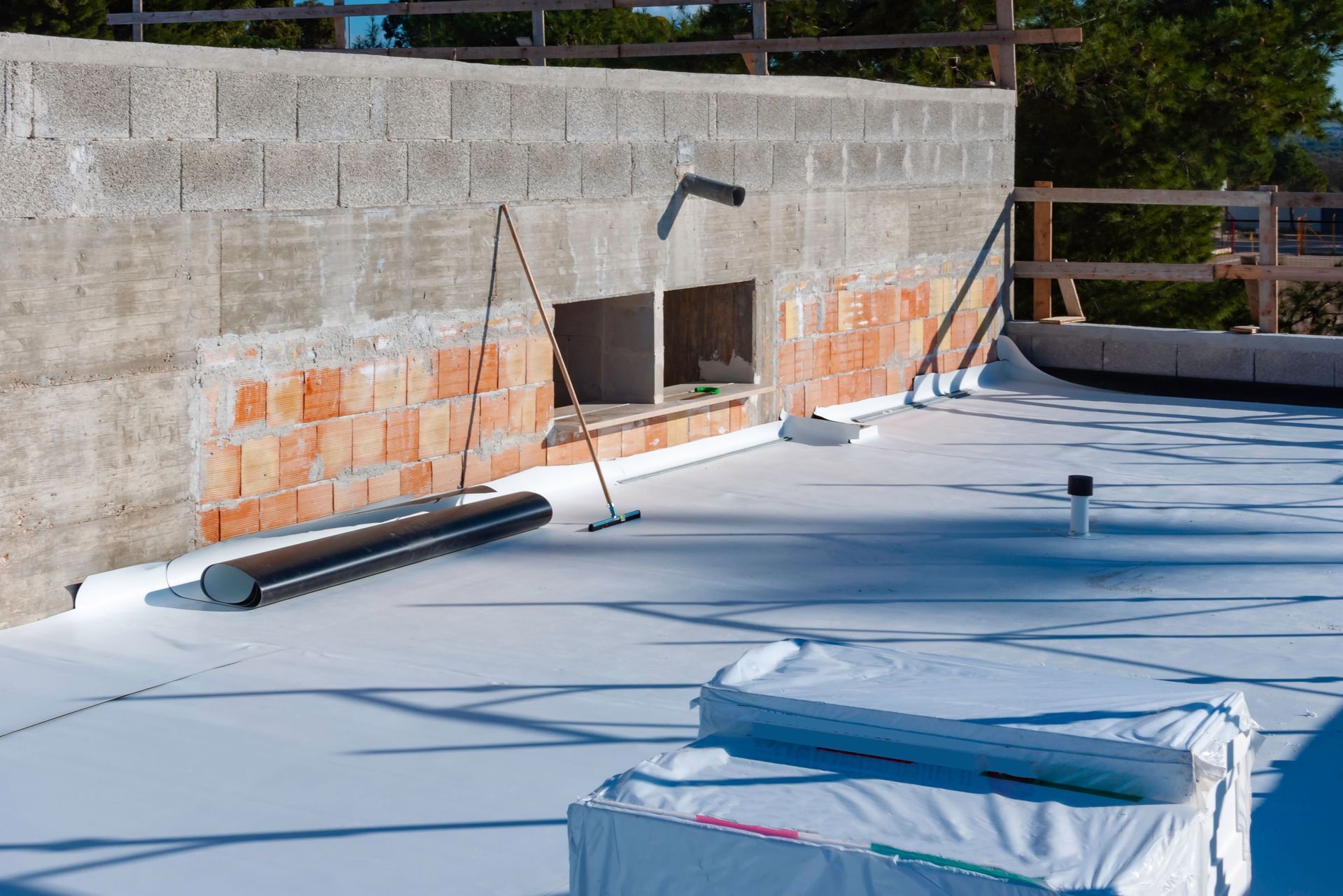
Commercial building owners continuously search for durable, energy-efficient roofing materials that can endure shifting seasonal climates. Thermoplastic polyolefin, commonly known as TPO roofing, has grown into one of the most popular single-ply roofing choices across the United States. Knowing how shifting atmospheric conditions impact this single-ply membrane helps property managers safeguard their building investments against premature deterioration. Regular evaluations and seasonal checkups confirm that commercial facilities remain protected throughout every season of the year.
Resisting Extreme Heat and Solar Radiation
Intense sunlight and elevated outdoor temperatures place substantial stress on any flat or low-slope commercial surface. Ultraviolet radiation constantly bombards commercial roofs, breaking down inferior synthetic compounds over time through photochemical oxidation. The reflective bright surface of TPO roofing deflects solar heat away from the building deck, keeping indoor temperatures stable. This reflectivity helps lower interior cooling demands during peak summer months, reducing stress on commercial heating, ventilation, and air conditioning systems.
While single-ply membranes are engineered to withstand continuous solar exposure, chronic heat still accelerates the aging process. High surface temperatures can soften lower-grade adhesives, weaken unreinforced seams, and dry out perimeter flashings. In areas where rooftop temperatures frequently exceed 100 degrees Fahrenheit, selecting a high-density membrane with heat stabilizers makes sure the installation stays resilient:
- Solar reflection rates can drop if atmospheric dust, soot, and airborne pollen accumulate on the white membrane surface.
- Continuous ultraviolet ray absorption can gradually deplete chemical antioxidants within the membrane sheets.
- Extreme thermal expansion occurs when deck substrate temperatures spike rapidly during midday hours.
Facility managers who maintain clean, unobstructed surfaces allow reflective membranes to work at their full thermodynamic capacity. Rinsing away collected soot and debris keeps solar heat absorption to a minimum, preserving internal stabilizers for many years. When solar radiation remains uncontrolled, thermal expansion creates recurring friction between the membrane, fastener plates, and underlying polyisocyanurate insulation boards.
Managing Freezing Temperatures and Winter Snow
Sub-freezing winter weather presents a completely different series of physical challenges for commercial membranes. Many legacy roofing systems become brittle when ambient temperatures drop below freezing, leaving them vulnerable to puncture injuries from foot traffic or shifting ice sheets. When winter arrives, TPO roofing remains flexible enough to adapt to thermal expansion and contraction without snapping. The synthetic rubberized base accommodates thermal shock, which occurs when rooftop temperatures plummet rapidly following sunset.
Heavy snowfall introduces substantial dead loads that compress structural roof decks and underlying insulation boards. If melting snow cannot reach exterior drainage outlets, freeze-thaw cycles can form thick ice dams along low-slope edges. Expanding ice wedges under unsealed edges, flashings, or scupper drains can loosen fasteners over time. Building operators should be conscious of several key cold-weather factors:
- Snow accumulation creates structural deflection that may redirect normal drainage patterns toward the center of the roof deck.
- Freeze-thaw cycles generate lateral expansion forces that can stress perimeter termination bars.
- Sub-zero wind chills can stiffen unbonded flashings, requiring professional evaluation before any rooftop mechanical service takes place.
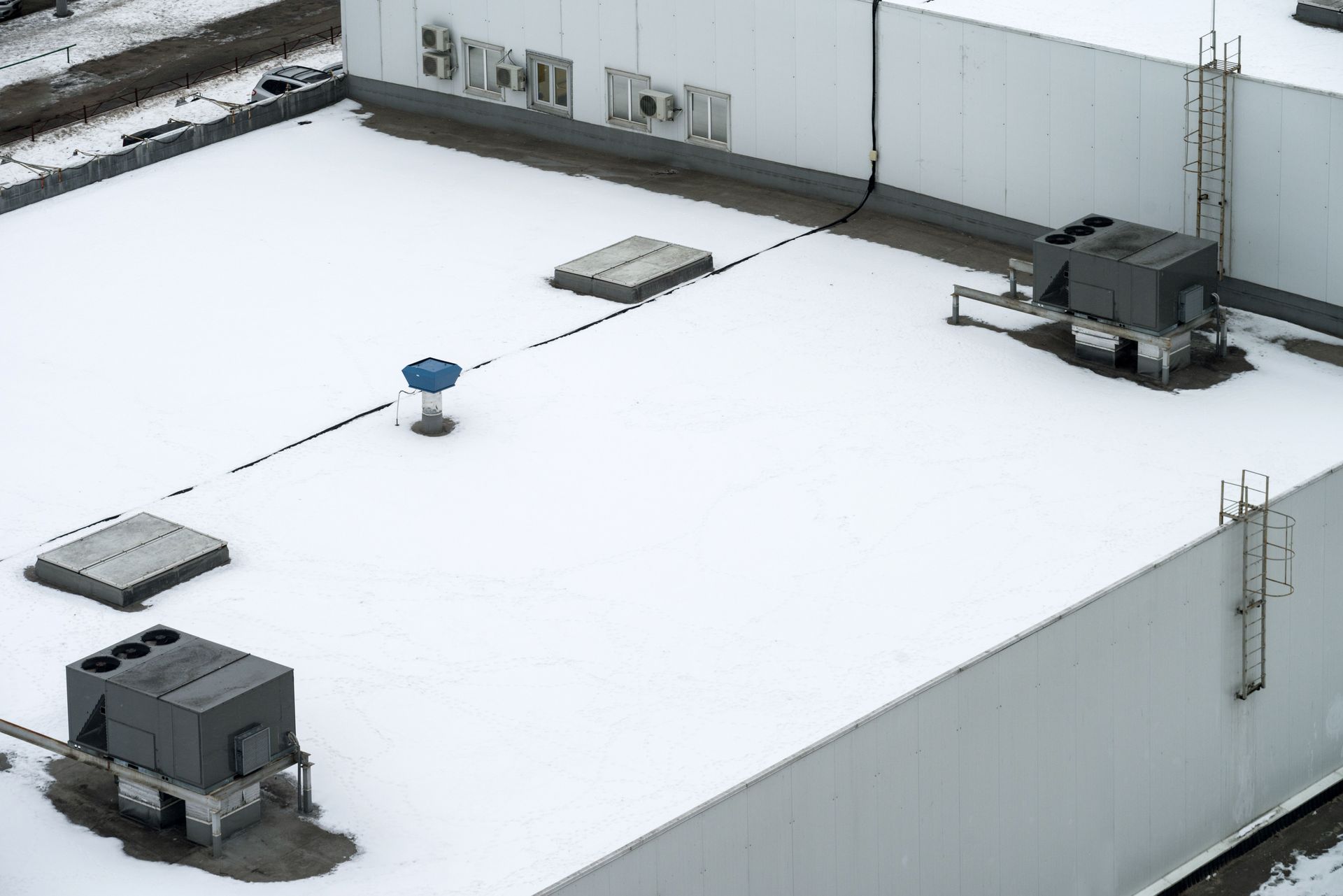
Addressing snow accumulation through proper structural design and unimpeded drainage pathways prevents excessive physical stress. Regular wintertime perimeter assessments verify that cold conditions do not compromise the building envelope. Snow buildup also conceals skylights, vents, and service hatches, making unauthorized foot traffic particularly dangerous during freezing winter storms.
Handling Heavy Rain and Ponding Moisture
Sustained precipitation tests the integrity of every seam, penetration, and drainage point across a commercial roof deck. Waterproofing remains a primary objective for property owners choosing TPO roofing over conventional asphalt systems. Hot-air welded seams fuse individual membrane sheets into a continuous, monolithic barrier that resists water intrusion significantly better than glued or taped seams. However, poor drainage designs or clogged scuppers can lead to ponding water, which occurs when moisture remains on a roof for more than 48 hours following precipitation.
Ponding water exerts continuous hydrostatic pressure against horizontal membrane seams and mechanical penetrations. Standing pools also magnify solar radiation during warmer days, acting like lenses that focus ultraviolet rays directly onto specific sections of the membrane. Over time, persistent pooling can saturate roof insulation boards if even a microscopic flaw exists in a seam. Property owners should watch for several indicators of improper drainage:
- Discoloration rings or accumulated silt deposits remaining on low points of the membrane after water evaporates.
- Sluggish drainage near scuppers, interior drains, downspouts, and secondary overflow outlets.
- Soft or spongy sensations beneath the membrane surface indicating compromised wet insulation underneath.
According to Thumbtack, consistent professional care and preventative maintenance can help a commercial membrane system last between seven and 20 years. Correcting minor grade depressions and clearing drainage channels prevents standing pools from shortening that operational lifespan. When moisture seeps past unsealed seams, the insulation underneath loses its thermal resistance, driving up cooling and heating expenses across the whole facility.
Withstanding Severe Wind and Uplift Pressures
Severe seasonal thunderstorms, coastal gales, and high-velocity wind events create negative pressure across broad roof spans. As powerful gusts travel over the parapet walls of a commercial building, they generate aerodynamic uplift forces that pull upward on the membrane. High mechanical fastening strength prevents TPO roofing from pulling loose along the perimeter during severe storms. The choice between mechanically attached, fully adhered, or ballasted installation methods directly dictates how well an assembly handles these localized uplift forces.
Corner and perimeter zones experience significantly higher wind uplift pressures than the central field of a flat roof. If edge metal details, coping caps, or termination strips loosen, air can enter underneath the membrane, creating a billow effect that threatens to tear the sheet away from its fasteners. Strong winds also carry airborne debris, such as tree branches, gravel, and loose rooftop mechanical components, which can puncture single-ply sheets on impact. A comprehensive wind protection plan includes:
- Inspecting edge metal profiles, fascia covers, and coping joints to confirm tight mechanical attachment.
- Fastening all HVAC equipment doors, vent cowls, and loose cables that could dislodge in heavy gusts.
- Checking perimeter seam welds to confirm that high-uplift zones retain complete adhesion.
- Trimming overhanging tree limbs within 10 feet of the roof edge to prevent mechanical abrasion.
Prompt post-storm assessments allow building managers to spot punctured spots or dislodged perimeter metals before incoming rain causes interior structural leaks. Securing mechanical equipment covers avoids impact gouges across the primary membrane sheet during sudden storm squalls.
Maintaining Membrane Integrity Through Scheduled Inspections
Atmospheric changes are inevitable, but their negative impacts on single-ply roofing can be minimized through structured maintenance programs. Commercial facilities experience severe weather shifts every year, from summer heat waves to severe winter freezes. Scheduling seasonal preventative checkups for TPO roofing preserves the manufacturer's warranty and extends the operational lifespan of the installation. Professional technicians have the training, safety gear, and diagnostic tools to detect seam separation, moisture infiltration, and flashing fatigue long before physical leaks show up inside the building.
A reliable inspection routine typically occurs twice each year, ideally once in the spring after winter freezes thaw, and once in the autumn before cold weather arrives. During these visits, commercial technicians evaluate the tension of mechanical fasteners, test heat-welded seams with probing tools, and inspect expansion joints. They also verify that pipe boots, pitch pockets, and parapet flashings remain flexible, watertight, and fully adhered. Documenting every inspection creates a valuable service log that simplifies future warranty claims and capital budgeting.
Attempting to diagnose or patch commercial membranes without proper commercial training creates severe fall hazards, risks puncture damage from improper footwear, and often voids factory warranties. Relying on professional commercial technicians ensures that every repair uses manufacturer-approved materials, hot-air welding equipment, and correct installation methods. Contact the experienced commercial team at Roughneck Roofing today to schedule a comprehensive roof assessment and protect your facility against unpredictable seasonal conditions.